




Sea buckthorn book
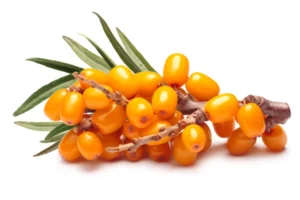
Introduction NEW APPLICATIONS FOR AN ANCESTRAL PLANT If you live or vacation near the German shores of the North Sea and the Baltic, you'll already have noticed the distinctive silhouette of a sea buckthorn bush, with its strange lines, silvery foliage and clusters of orange berries [...].
Introduction
NEW APPLICATIONS
OF AN ANCESTRAL PLANT
If you live or vacation near the German shores of the North Sea and the Baltic, you'll already have noticed the distinctive silhouette of a sea buckthorn bush, with its odd lines, silvery foliage and eye-catching clusters of orange berries. In the Alps, in the middle of scree near rivers, this shrub is also part of the landscape. Wherever the sun shines, warmth reigns and the wind blows, sea buckthorn is at home. Even if, by natural inclination, it takes up residence in well-exposed locations, it's a native plant, known to practically everyone. Inland, we have to be content with catching glimpses of it on highway embankments, planted in ornamental gardens. Likewise, we catch fleeting glimpses of it on the shelves of health food stores, where it has wisely held its place for several decades. If sea buckthorn isn't totally relegated to the shadows, it's not in the limelight either.
- In recent years, sea buckthorn has been back in the news. Enthusiasts still come from the East, but this energetic shrub is irresistibly conquering Western territories. Just take a look at the following data to be convinced of sea buckthorn's "assets".First point:
At an international symposium on sea buckthorn, the authorities revealed that delegations of Chinese athletes to the Olympic Games had taken sea buckthorn preparations with them as an "authorized stimulant". At the same time, sea buckthorn was included in the official list of Chinese pharmacopoeia, and recognized as a means of stemming soil erosion by the Yangtze River.
- Second point:
An astronaut preparing to take part in a Russian-Mongolian interplanetary voyage told a journalist that an "in-flight" sea-buckthorn consumption experiment was to be carried out on board his spacecraft. Researchers are convinced that sea buckthorn regenerates human physical faculties and can be extremely useful in space.
- Third point:
In its war against Afghanistan, the Red Army confiscated virtually the entire Lithuanian seabuckthorn berry crop. The berries were used to make balms to heal various wounds and burns caused by incendiary bombs. Chernobyl radiation victims suffering from dermatological disorders and mucous membrane lesions were also treated with sea buckthorn.
Of course, there's no proof that the growing popularity of sea buckthorn-derived products, used as dietary supplements since the early nineties, is due to the plant's discovery in the West, but the phenomenon is concomitant. An increasing number of laboratories manufacture liquid sea buckthorn extract, either pure or blended with other fruits. They also sell fruit concentrates or jellies, as well as coulis, and even confectionery (teddy bears) made from sea buckthorn-flavored gelatin. In 1998, at the BioFach trade fair for organic food, Sôd- becke presented a sea buckthorn and orange yoghurt. The product won the German "Product of the Year" award. In addition, a number of highly inventive new foods have made their appearance on the market. These include sea buckthorn vinegar and a sea buckthorn-flavored seasoning oil, mustard, sea buckthorn honey, various infusions, fruit in syrup and a liqueur.
In northern and eastern Germany, natural sea buckthorn preparations are highly prized and promoted as "luxury products". These include sea buckthorn juice, wine, liqueur and infusions. A local farmer declared that sea buckthorn had little future, because it wasn't harvested all over Germany. But a tea importer from East Friesland, who has started selling his own organic produce near Aurich, claims on the contrary that sea buckthorn is opening up many prospects for him, and that his production has increased substantially in the space of a few years.
Another favored area in Germany is the Berlin and Brandenburg region, which offers particularly suitable sandy soils for seabuckthorn. There are several nurseries and stores selling sea buckthorn, as well as other fruits and local specialties. In the same region, a cider-maker has developed a drink made from Jerusalem artichoke and sea buckthorn, which is excellent for diabetics and everyone else. Every year, it releases a new preparation. Hopefully, these excellent products will spread beyond the local level.
natural products are appearing on the market, and major brands are banking on them, offering a wide range of products. Because sea buckthorn is one of anthroposophy's favorite plants, at the end of 2000 the Weleda company launched a quality care oil, collected in Tuscany.
The development of sea buckthorn may be slow (compared with other plants such as green tea or cumin), because some distributors, who were hoping for a real (albeit temporary) "explosion" in sales, have been a little disappointed. Perhaps this is due to the "market" itself. Consumers don't let themselves be dazzled endlessly by the promise of miracles and panaceas. It also has to do with the fact that sea buckthorn is too "indigenous", lacking a certain exotic dimension, as one marketing specialist pointed out to me. However, there is an interesting difference between the sea buckthorn of our own shores (which could well boost East Germany's economy!) and the original plant, which is found in Central Asia and Libet. Some less exotic plants, such as rosehips and, more recently, mimosa, have made a name for themselves thanks to their cosmetic qualities. In the same way, sea buckthorn's quality criteria will be recognized for its beneficial action on the body, as a dietary supplement, and as a dermatological and cosmetic product.
The almost spectacular discovery of vitamin B12 in sea buckthorn, when its presence in plants was previously unknown, is decisive in these times of mad cow crisis. This is a powerful argument for promoting sea buckthorn. However, there is a growing trend for food supplements to be packaged in gelatin capsules, and this is also the case for sea buckthorn. It's in the consumer's interest to think critically, and not to allow themselves to swallow just anything.
AN EXCEPTIONAL SOURCE
VITAMIN C
Sea buckthorn is not widely grown in Germany, and its berries are difficult to harvest: the plant's therapeutic virtues therefore remained little known, even in traditional medicine, until the mid-19e century. For hundreds of years, sea buckthorn was used only to fix dunes (particularly on North Sea islands) or to decorate bouquets with the "coral touch" of its berries. During the 1930s, in the major German cities of Berlin, Hamburg and Munich, the harvesting of its decorative branches was severely restricted by a nature protection decree. In the early 1940s, sea buckthorn harvesting was banned nationwide, when its berries were found to contain valuable reserves of vitamin C.
It was a publication by C. Griebel and G. Hess in May 1940 that made the vitamin-rich sea buckthorn widely known. However, the real pioneers of sea buckthorn were B. Hermann, Doctor of Medicine, and M. Lôhner, Doctor of Pharmacy. Both were from Munich. In 1941, as a result of their research and experiments, they informed the general public of sea buckthorn's high vitamin C content. In his article, Dr Hôrmann declared this plant to be "the best source of natural vitamin C", and recorded the results of an experiment he had carried out on himself, taking more or less vitamin C every day.
"In the end, by building up my vitamin C reserves and drinking large quantities of sea buckthorn juice, I noticed a subjective and objective increase in my physical, mental and psychic strength."
Sea buckthorn contains more vitamin C than any other fruit, even blackcurrants. It contains ten times more than lemon, often cited as an example in this field. Depending on where it's grown, only rosehips can compete, with 200 to 1,000 mg of vitamin C per 100 g of fresh substance. But when sea buckthorn is grown in the Alps, its vitamin C content can exceed 1,500 mg per 100 g. Geological conditions, the nature of the water, the air and the light all play their part. The berries may be smaller, but their quality is optimal.
Average vitamin C content of several fruits (in mg per 100 g of fruit)
| Apple | 10 mg |
| Grapefruit | 40 mg |
| Orange | 50 mg |
| Lemon | 50 mg |
| Papaya | 80 mg |
| Sorbier | 100 mg |
| Cassis | 180 mg |
| Sea buckthorn | 450 mg |
A vitamin C elixir
Vitamin C is best known for the decisive role it plays in the immune system, strengthening defense cells and curbing inflammation. It is also thought to play a decisive role in protecting the body against certain viruses. In the case of specific infections and illnesses, we need to increase our intake of this vitamin, as the body's need for it is greater and more urgent. Because of its antioxidant effects, it is an excellent "free radical scavenger", especially when taken as an ACE complex, i.e. in conjunction with beta-carotene (vitamin A) and vitamin E. This combination is found naturally in sea buckthorn berries (see also the introduction to chapter 6).
Vitamin C also has a positive effect on the circulatory system and the heart. It lowers cholesterol and lipid levels in the blood, reducing deposits in the vessels. Similarly, a high concentration of vitamin C in the blood reduces blood pressure. It improves the body's uptake of iron, and protects the bronchial tubes (especially in the presence of high levels of ozone in the air and the negative influence of other environmental factors). Its effects on the skin are not negligible (it protects the skin from UVL rays and accelerates healing).
Vitamin C has a decisive effect on metabolism, regenerating and protecting bone, connective tissue, cartilage and teeth. High levels of vitamin C deficiency used to lead to scurvy, a well-known disease among sailors, whose symptoms included muscle wasting, blotchy skin, anaemia and heart weakness, loosening and loosening of the teeth, eye problems and, above all, serious mental disorders. Although scurvy is no longer a global health problem today, the modern stresses of "oxidative stress" are no less dangerous, in their own way.
Until now, a daily intake of 75 mg of vitamin C has been recommended. These are already contained in 30 g of sea buckthorn berries, equivalent to less than two teaspoons of fruit! In 2000, the German Food Committee (DGE) recommended a daily intake of 75 mg to 100 mg of vitamin C for people prone to deficiency. For heavy smokers, this dose can be increased to 100 to 150 mg per day.
In order to provide the body with a sufficient quantity of vitamin C, it is important to bear in mind that it cannot be synthesized by the body. It must be taken in from the outside and assimilated within two hours of ingestion. In addition, vitamin C is destroyed by many environmentally harmful products, medicines and certain foods. A cigarette, for example, needs to be neutralized by taking 20 to 100 mg of ascorbic acid, which will fight the free radicals contained in the smoke.
In the presence of certain specific conditions, such as those faced by cosmonauts, vitamin C and other substances such as vitamin E and provitamin A or beta-carotene are indispensable for the performance of vital functions, as the following text demonstrates:
Before, during and after the Russian-Mongolian interplanetary flight in 1981, the cosmonauts consumed sea buckthorn-based food for prolonged periods of time, and were thus able to maintain good vitamin levels in their bodies. The amount of vitamins in their blood even increased, and the proportion of residues in their urine remained very low, because the food had obviously been very well assimilated. The excellent tolerance of sea buckthorn by the human organism is linked to the great similarity of this product with substances naturally produced by the body.
Au cours de la période de l'après-guerre, marquée par les privations et par l'exigence d'efforts accrus pour les I uropéens, l'argousier est devenu un aliment très recherché <•1 apprécié pour ses vertus particulières. Son pouvoir énergétique, durable lorsqu'il est correctement préservé, permet à l'organisme de puiser de nouvelles forces et de stimuler lo système circulatoire. Certaines recherches récentes ont indiqué que la vitamine C tonifiait les vaisseaux sanguins •t stimulait la respiration des cellules (redux). Cette substance combat également l'anémie et l'inappétence, renforce les gencives, soulage les maux de tête, pallie le manque de concentration et l'épuisement mental ou physique.
"E. O. Eckstein wrote in 1943: "Everything that today can be grouped under the name of deficiency, often attributable to an internal imbalance, speaks in favor of Sea Buckthorn, even if we are dealing with a state of exhaustion whose origin is unknown, or with an unexplained state of weakness". During periods when we have to make extra physical or mental efforts, our defences are strengthened, as is our ability to resist infection. Sea buckthorn is even useful during therapy or convalescence, to help us get through the cold months of the year when we are deprived of light. This plant, which "emerges from nowhere and demands nothing from the soil, draws almost all its strength from the day", meaning that it feeds off the cosmic universe, absorbing the sun's rays and returning them to our bodies in the form of vital energy. Sea buckthorn has a
is very well tolerated. It is also naturally recommended for growing children. It's an ideal dietary supplement to compensate for the lack of fresh fruit.
Sea buckthorn, a substitute for cod liver oil
For Ulrike H., born shortly after the end of the Second World War, sea buckthorn is associated with fond memories. Her family was Protestant. In 1930, her father founded a "Friends of Nature Association " à Fulda.
Ulrike, like Ulrike, like her siblings, was by no means obliged to ingest cod oil (for provitamin A, at least, sea buckthorn was sufficient, due to its high beta-carotene content): after the war, sea buckthorn berries became a mainstay of the entire family's diet at the "Moulin Donath". As a child, Ulrike used to take a teaspoonful of sea buckthorn syrup every day, adding it to yoghurt and sprinkling wheat germ or linseed on top. She was offered an extra helping when she had an upset stomach or other digestive problems. In winter, her mother regularly concocted infusions of sea buckthorn. The fruit is also delicious in tea or milk, if sweetened with honey. As a result, Ulrike never felt like she was being medicated, and was spared many childhood illnesses, and certainly many flu epidemics.
To this day, she remains faithful à seabuckthorn berry (and even to her childhood mill), and her eyes sparkle when she hears about the fruit. She is particularly fond of sea buckthorn oil-based skin creams, which won her over immediately, and she hasn't wanted to change a thing since. I n view of its high vitamin content, sea buckthorn is "a good choice during pregnancy and breastfeeding, especially as it is a good source of vitamins and minerals.Sea buckthorn's first "breakthrough" and an economic miracle
In the period following the Second World War, sea buckthorn enjoyed a tremendous boom in Germany, thanks in part to various euphoric publications about it. Hard-picked sea buckthorn berries were painstakingly processed by private individuals into juices, syrups, marmalades and jellies. All kinds of by-products have also been created: sea buckthorn pomace, juice from the first pressing, nectars, syrups, sea buckthorn yoghurts, coulis, jams and jellies, baby food, diet products, dry cakes, cereal bars and other confectionery, cake fillings, extracts for flavouring fruit-based pastries, and so on.
Our need for natural vitamins has been highlighted by a number of food researchers, including Bircher-Benner and Ragnar Berg. Its juice has a low PH and the absence of ascorbic acid oxidase, a vitamin-destroying enzyme, means it can be stored for long periods without losing its properties. Likewise, the juice's combined presence of ca rote not'd es and tocopherol builds a bulwark against oxidation.
The wild fruit has its own special properties, and a few shortcomings. Found in its natural state only in certain regions of Germany, its harvesting and processing could be summed up in the title of a Shakespeare play, The Taming of the Shrew. What's more, the juice presents a major drawback for consumers, as it forms a deposit at the bottom of the bottle, and the neck is covered with a highly visible oily halo. We shall see later, in the chapter entitled Necessity is the mother of invention, what efforts can be made to correct these drawbacks.
In the early 1950s, the German economic miracle and the advent of the consumer society diverted the public away from sea buckthorn, but its targeted use has never been totally forgotten, notably to protect dunes or reinforce loose soil.
Sea buckthorn has remained particularly popular in anthroposophical medicine, both as a natural remedy and as a dietary supplement.
Sea buckthorn, the anthroposophical plant of choice
In his Précis of Medicinal Plants, Wilhelm Pelikan elevates sea buckthorn to the status of a paragon of anthroposophical virtue, which has undoubtedly contributed to making it one of the fetish plants of medicine inspired by the same principles. The plant is studied from the point of view of exchanges between nature, the human being and the cosmos. It's because sea buckthorn grows in barren areas with particularly poor soils, and because it has mastered the art of survival, that it has become highly energetic. Those who feed on it, choose it as a food supplement or remedy, or use its oil to care for their skin and mucous membranes acquire its uncommon strength, longevity and regenerative powers. Seabuckthorn's high content of fruit acids (vitamin C is ascorbic acid) is seen in this light as the result of the plant's struggle for survival. As part of this struggle, it draws enormous "life forces" from the unsaturated fatty acids in its oil.
Although sea buckthorn, a pioneer of vital defense, cannot extract its resources from the soil and is content to live an ascetic underground life, centered on its own roots, it benefits greatly from the light of which it is particularly fond. Its high concentration of carotene is a "luminophagous" substance that gorges itself on the energy supplied by the sun and transforms it into chlorophyll. Sea buckthorn is also protected by the large amount of oil contained in its fruit and seeds. The fact that this plant is able to impregnate not only its seeds but also its pulp in this way demonstrates its ability to absorb cosmic forces, heat and light and transform them into vital energy.
All these qualities and properties explain why anthroposophical medicine has embraced sea buckthorn, and why it proposes to use it in a whole range of derived products. Sea buckthorn remains active for an extremely long time, making up for our energy deficiencies and restoring our flagging vitality. It activates our natural defense forces and revitalizes the entire organism.
It's interesting to note that sea buckthorn's virtues have "astrological correspondences". Its love of light makes it a solar plant, a guardian of vital forces. Because it makes do with very poor soil and is very resistant, it has been described as "Saturnian": it knows about scarcity and restrictions, but knows how to make the best use of its meagre resources to survive. Moreover, its great endurance, visible in its red berries and the presence of thorns, place this plant under the sign of the planet Mars.
The benefits of natural vitamin C
In the early 1950s, a series of research studies explored the benefits of sea buckthorn as a source of natural vitamin C. Several groups of rapidly-growing adolescents aged ten to fourteen were suffering from concen- (ration difficulties and anaemia. The resorption of milk albumin by the addition of sea buckthorn to the diet of some of these teenagers was studied. This resorption was found to improve by 50%. Pupils suffering from concentration problems and chronic agitation were given two teaspoons of sea buckthorn added to half a liter of milk every day as part of their school meals. After four weeks, their ability to concentrate improved considerably, far more than that of children who had only taken milk, and who needed six to eight weeks to achieve a comparable result.
A large-scale experiment was carried out on around five thousand schoolchildren during a flu epidemic. Around 40% of them were affected by the disease, with the classic symptoms of high fever, dizziness, vomiting and inflammation of the mucous membranes of the nose and throat. Of the 60% of children who had not yet been affected by the virus, half took half a liter of pure milk a day, and 30% fell ill. The other half took sea buckthorn added to the milk. This combination proved highly effective, with only 2% contracting the flu.
In these and similar tests, it was found that a vitamin C deficiency could be largely counterbalanced by taking sea buckthorn, and that this plant quickly restored the balance in the body, much faster than taking lemon, pure ascorbic acid or vitamin preparations synthesized in an industrial process. A similar result can only be achieved by using a variety of natural vitamin carriers, such as sea buckthorn mixed with rosehip pulp and a little mountain ash juice. The result is a veritable elixir of life!
Although vitamins from natural sources are indistinguishable from artificially-synthesized vitamins, their properties are very different. In nature, vitamin C is never isolated, and is always found in the company of other vitamins or provitamins, fruit acids and trace elements. For this reason, plant sources are recommended for proper dietary supplementation, as they play an important role in the synergy of the vitamins they contain.
Last but not least, vitamin C from sea buckthorn is exceptionally well tolerated by the body, especially in people allergic to lemons. This is all the more surprising given that sea buckthorn berries are highly acidic, with a PH of 2.5 to 3, and contain 30 to 40 g of tartaric acid. This may be explained by the fact that this is not an exotic fruit, but one grown in temperate climates. Moreover, sea buckthorn berries are always picked very ripe. Various experiments have shown that its ascorbic acid, comparable to that found in rosehips, produces only slight oxidation in the digestive tract, and is better assimilated by the body. Sea buckthorn also contains other substances that have a protective effect on the mucous membranes of the mouth, esophagus, stomach and intestine.
SEA BUCKTHORN IN THE KITCHEN
Fresh berry recipes
The following recipes may inspire you to get creative and plant sea buckthorn in your garden. Indeedz if you don't live by the sea or in the mountains, where wild sea buckthorn berries can be found, fresh fruit is hard to come by. Even during the harvest period, from late August to mid-October, they can be found rlflhc Moment in health food stores in Mecklem- houig or Brandenburg. What's more, they only keep for hois to four days indoors. If you don't prepare them immediately, you should freeze them immediately. To get the most out of them, it's best to press them cold, then store the pulp in the freezer. To do thisz use a sieve or clothz then sweeten the pressed juice with 11 tide of sugar or honey. Two to three tablespoons 11 sea buckthorn a day, slightly warmed, sweetened, served with waterz milk or tea, or even in yoghurt, with white homage or muesli, are enough to invigorate those who consume them. In six-week cures interrupted by a two-week break, sea buckthorn is reserved for the "dark" months of the year, when we are deprived of our vitamin intake, and for early spring. It is the best remedy for colds and fatigue at the start of the year.
Preparation tips
- Sea buckthorn berries must be ripe and prepared immediately after harvesting. Otherwise, they should be frozen.
- To avoid oxidation, which alters not only the color but also the taste of sea buckthorn berries, avoid bringing them into contact with metal. Don't use rusty scissors either. Instead, use wooden spoons, ceramic salad bowls and enamel casseroles.
- Place fruit in jars with tinted glass, if possible, to reduce light transmission. Close containers tightly and keep them in a cool, dark place. This way, preparations made from sea buckthorn berries will retain their virtues longer, and the vitamins will not lose their properties.Sea buckthorn juice
For one pound of ripe sea buckthorn berries, use the same amount of sugar. Heat the berries, which can be lightly crushed beforehand, in 100 ml of water for fifteen to twenty minutes. Strain the mixture through a sieve. Only then, sweeten the juice. Bottle while the mixture is still hot, and sterilize at 85°C for 20 minutes (only if you plan to store the juice for a long time).
- A healthy alternative: instead of white sugar, use honey or pear syrup.
- If you have a pressure cooker, mix the berries and sugar directly in the cooker, and pour the juice into warmed bottles.
- You can make sea buckthorn juice using a centrifuge. You can mix the resulting raw juice with sugar, or consume it neat. You can then store it for up to a year. To prevent fermentation, pour a little oil into the neck of the bottle before closing it, to protect it from the air.
Sea buckthorn syrup
Lightly crush 1 kg sea buckthorn berries and heat in 3/4 liter boiling water. Cover the pot with greaseproof paper and leave to cool in a cool, dark place for twenty-four hours. Strain, add up to 1 kg of sugar, to taste, and three teaspoons of lemon. Place in small bottles (250-500 ml capacity) and sterilize.
pondant vingt minutes à 70°C. Fermez les bouteilles à i ii(l<- d'une capsule en caoutchouc.
Sea buckthorn jam
Mix 1/2 liter of raw sea buckthorn juice with 1/2 to 1 pound of sugar (or more, as you prefer), and, without stopping stirring, heat the mixture until you obtain a thick syrup. Fill piopres jars and cover with cellophane.
- To make a classic jelly, use ripe sea buckthorn berries that still contain enough pectin to gel. Ripe berries make a jelly-like marmalade.
Sea buckthorn and mixed fruit marmalade
Mix 1/2 liter of sea buckthorn juice with 500 g to 1 kg ' I*' fruit cut into small pieces. Fruits that are not too acidic or strong-tasting, such as pears, melon and ■ iti ouilla, are best. Add 1/2 pound to 1 pound of sugar and heat for fifteen to twenty minutes, until you obtain a marmalade.
- Applesauce flavored with cinnamon and raisins is enhanced by sea buckthorn juice.
- Sea buckthorn also goes very well with rosehips.
Sea Buckthorn honey
Soften the sea buckthorn berries over medium heat with a little water, stirring constantly. Strain the mixture through a sieve or hand-cranked strainer. Mix the resulting pulp with an equal quantity of honey, until you obtain a smooth paste. Fill small jars and seal tightly.
- To prepare a sea buckthorn coulis, add a little water until you reach the desired consistency, then let cool slightly. Add a few spices to suit your taste: mustard, horseradish, coriander, grated orange or lemon zest. Use your imagination.
- Serve the coulis with game, fish and Indian dishes, especially with shepherdia berries.
Sea buckthorn berries in herbal tea
Dried sea buckthorn berries or sea buckthorn pomace can provide an excellent ingredient for fruit herbal teas, especially if mixed with hibiscus flowers, sloe, dried apple pieces and rosehip fruit peel. They can also be combined with certain herbs, such as strawberry, raspberry or mulberry leaves, lemon balm, mullein and St. John's wort, and not just enjoyed neat as a "frisky herbal tea".
- Father Weidinger recommends an infusion to combat "age-related memory loss": mix two teaspoons of sea buckthorn flowers with 1/4 liter of boiling water, leave to infuse for fifteen minutes, then strain. However, this tea will only work if you drink one cup morning and evening for three months in a row.
- According to folk medicine, sea buckthorn tea made from its flowers, young shoots and leaves is excellent for treating rheumatism and gout, as well as complementing the treatment of skin ailments.
crumbs made from sea buckthorn by-products
I Jôsormais, on trouve les produits à base d'argousier dans hhiIos sortes de boutiques, et pas seulement dans les maga- ihu de diététique. Ils trônent dans les rayons réservés aux lu ibétiques, dans les supermarchés et dans les catalogues Jo vente par correspondance. Étant donné que ces produits *>nl de plus en plus variés, j'ai préparé un petit guide ■ I < K hat.
- Virgin sea buckthorn juice: This is pure pressed juice, with a high vitamin content. It is unsweetened or sweetened with sugar, fructose or honey. If you buy a nectar (25%), it will be sweetened and diluted with water or blended with other fruit juices, such as apple juice or orange juice.
- 100% Fruit: Whole berries are blended. They can be sweetened or unsweetened. Fruit coulis also contains carob seed flour and lemon juice, or other ingredients such as pear syrup or honey. This product is very practical to use in the kitchen.
- Elixir : This is a special anthroposophical preparation combining sea buckthorn juice and sea buckthorn pomace. This product can be sweetened or unsweetened.
- Fruit-based products : These are jams and jellies containing sugar or other sweeteners. They are often mixed with other fruits, such as apples, strawberries or apricots.
- Various (no guarantee of fruit content) :
- - Yogurts can contain sea buckthorn as well as other fruits (orange, for example). Fruit pieces: these are reconstituted from sea buckthorn berry powder, pulp and concentrated juice. They are found in marzipan, mixed with other dried fruits such as dates or figs.
- Sea buckthorn-filled cakes.
- Candies filled with sea buckthorn liqueur (gummy bears).
- Candied fruit in sea buckthorn liqueur.
- Sea buckthorn oil for seasoning. It contains sea buckthorn oil, but also other oils (most often sunflower oil).
Refreshing sea buckthorn drinks
Sea buckthorn berry juice and pulp are ideal for making refreshing drinks. Simply mix with water or milk (hot or cold), or cut with other fruit juices and add agave or wheat syrup.
Here are a few suggestions:
- Mix 4 tablespoons of sea buckthorn juice (100% fruit) or 2 tablespoons of virgin sea buckthorn juice with water or milk, and sweeten.
- Milk with almonds and sea buckthorn: in a cup of milk (or soy milk, if you can't stand cow's milk), add a tablespoon of almond powder, a teaspoon of virgin sea buckthorn juice, and a teaspoon of honey. Mix thoroughly. You can also warm the liquid without stopping stirring.
- Sea Buckthorn Lassi: mix a cup of yogurt, milk or other dairy product with a little water.
Froth with a whisk or electric mixer. Add two tablespoons of sea buckthorn juice (100% fruit) and sweeten with honey. Mix well.
Fruit punch or iced tea
Basically, you have an herbal tea blend made from sea buckthorn berries, rosehip fruit, hibiscus, apple, cinnamon bark, fennel, aniseed, etc. Take 4 tablespoons of this mixture and add 2/3 liter of water and 1/3 liter of black grape juice or red wine. Boil for ten minutes and leave to infuse. Strain the mixture before sweetening with honey or agave syrup. Serve hot or cold. In winter, it can be enjoyed with rum candies or sea buckthorn liqueur.
- Variation on fruit punch with sea buckthorn: Prepare a fruit blend for herbal tea and add cloves, cinnamon and cardamom. Add 100% sea buckthorn juice and honey to taste.
Vitaminized Sea Buckthorn Cocktail
for breakfast
- Sea buckthorn goes very well with muesli, fresh or dried fruit, yogurt, cottage cheese, oatmeal porridge and cereals of all kinds.
- If you're using sea buckthorn nectar (juice), pour it over the oat flakes and leave for a few minutes. This allows you to do without milk, yoghurt and other dairy products altogether.
- If you're using sea buckthorn pulp or fruit coulis, pour them over yoghurt or fromage blanc.sea buckthorn jam or jelly mixes ideally with fromage blanc and can be spread on wholemeal bread.
- Cottage cheese and yoghurt mixed with sea buckthorn go perfectly with hazelnuts or walnuts, sunflower seeds, almonds or coconut shavings.
Sea buckthorn as a filling for pancakes
and omelettes
Sea buckthorn jam is ideal, as it is not too runny. For food fillings, sea buckthorn can be mixed with crème fraîche or other desserts.
- To fill rolled cakes, mix sea buckthorn jelly with fromage blanc and beat to stiffen.
- The apricot tart in the Swiss recipe is even tastier if you replace the apricot jelly with sea buckthorn jelly.
Sea buckthorn to spice up soups, sauces or
or main courses
In Scandinavia, sea buckthorn, which grows in the dunes of the far north, is prized as a valuable source of vitamin C. It is also used to season many traditional dishes, especially fish and game. It is also used to spice up many traditional dishes, particularly fish and game. As an old recipe book I consulted says, it not only enhances the taste of food, but also regulates the flow of pancreatic juice and stimulates the production of gastric acid. Not only does it enhance dishes, it also helps to digest those that are a little too rich.
Hokkaido fruit soup with pumpkin
and Sea Buckthorn
- You can add tomatoes to enhance the vibrant color of this predominantly orange fruit salad. Grated apple and garlic can be replaced by sea buckthorn juice (100% fruit) and fresh ginger. Spice with cardamom, turmeric and curry.
- To create a contrast, decorate the orange soup with a sprig of parsley or herbs.
Sea Buckthorn Hot Sauce
Sauté chopped red onion and garlic in olive oil. Add a chopped chili pepper and the spices of your choice. Pour in 6 tablespoons of sea buckthorn juice (100% fruit). It must be unsweetened, otherwise add lemon juice or balsamic vinegar to compensate for its sweetness. Mix with 100 ml vegetable stock.
Green tomato and sea buckthorn chutney
- This recipe offers a perfect opportunity to use tomatoes that are no longer ripe in early autumn. Dice the tomatoes and add an equal quantity of diced apples. Sauté some garlic and onions, then add the tomato and apple mixture to the pan. Pour in some pure sea buckthorn juice for a tangy, sweet-and-sour sauce. Add sugar and spices such as ginger, curry powder, cloves, cinnamon and chilli, and let it thicken for three quarters of an hour over a low heat, stirring often. Pour the still-warm mixture into small jars, seal tightly and store in a cool place. This chutney will keep for several months.
- It is the perfect accompaniment to Asian rice dishes.
Sea Buckthorn Vinaigrette
Mix 4 tablespoons of pure sea buckthorn juice, 2 tablespoons of balsamic vinegar and 4 tablespoons of olive oil, add salt or shoyu (soy sauce), freshly ground cumin and other spices if you like.
- You can also replace the balsamic vinegar with a tablespoon of lemon juice and a teaspoon of wholegrain mustard, or with a mixture of olive oil and walnut oil (half olive and half walnut).
- This vinaigrette is ideal for fresh endive salad (cut endive into thin strips), which has a slightly bitter taste. It's also perfect for a mix of lamb's lettuce and chicory.
- You can make your own vinegar from wild sea buckthorn berries, just as you would from rowan berries or sloes. To do so, dry the berries, crush them and cook them in 1 liter of fruit vinegar. Leave to infuse for a day in a covered container, then filter the vinegar through a chinois and fill the bottles. This sea buckthorn vinegar goes very well with rustic, slightly bitter salads, such as cardamine and watercress.
- Sea buckthorn wine vinegar is also available.
Sea buckthorn oil in the kitchen
Sea buckthorn berry oil and sea buckthorn seed oil can also be used extensively.
- A few drops of sea buckthorn berry oil can spice up a bland oil like sunflower or thistle oil. Not only does it give food a fruity taste, but it also provides extra vitamins and nutrients.
- Sea buckthorn seed oil is distinguished by its very high content of alpha-linoleic acids (Omega 3 fatty acids), found mainly in fish. It enhances the taste of many cold foods, particularly marinades and mayonnaises.
- Sea buckthorn oil for seasoning is commercially available. It is cold-pressed and blended with sunflower seed oil.
- Never heat these two oils together, and simply add a few drops to already-cooked food.
SEA BUCKTHORN MAKES HORSES' COATS SHINE
AND HAS OTHER VIRTUES
Seabuckthorn occurs naturally in a large part of Eurasia, along two major axes (see map). A clear distinction must be made between North Sea sea buckthorn and Baltic sea buckthorn.
- It can be found in north-western France, south-western England, Belgium and the Netherlands, northern Germany and along the Baltic coast in Lithuania, Estonia, Finland and Norway.
There is also another continental variety of sea buckthorn, found inland.
- In the Pyrenees, the Alps (as far as the Danube), Lake Geneva, the southern Rhine and Lech valleys, the Carpathians, the Caucasus, the Pamirs, the Altai, the shores of Lake Baikal, the Tibetan highlands, Mongolia and as far as China.
Sea buckthorn's heartland is in Central Asia. From there, the plant has spread to Europe. Sea buckthorn shares many features with tropical and subtropical shrubs, which may be explained by its Asian origins. This ancient plant probably appeared at or just after the end of the Ice Age, i.e. 17,000 years ago (!), as some pollen samples have shown. In the region now known as Brandenburg, this plant was extremely widespread between 13,000 and 9,800 BC. In the two distinctly separate, but related, areas of settlement in Europe, it is clear from both the northern coasts and the southern Alps that there used to be continuity with the area of origin in Central Asia.
Sea buckthorn is a very special kind of pioneer plant. It has been shown to survive and grow in areas where no other plant could grow. Once it has adapted to a soil, it stays there. This is due to its need for "cosmic food", sun and light. This is without
This is undoubtedly why sea buckthorn has succeeded in establishing itself in the West. Climate change has led seabuckthorn to abandon inland areas and take refuge in coastal zones and the Alps, making its home in soils where other plants were unable to acclimatize. The expansion of farmland has also accentuated this trend.
Seabuckthorn is distinguished by the fact that it requires a great deal of light, and virtually nothing from the soil. It has adapted wonderfully to different climatic and geographical conditions. Found at very high altitudes, up to 5,000 meters in Tibet, it is virtually unaffected by Siberian cold, and proves highly resistant to drought. Its berries vary in size, from round to oval, and even in composition, which is reflected in a range of colors, from yellow to orange to deep carmine red. Sea buckthorn is "polyploid", meaning that it is capable of modifying its chromosome plan to increase its resistance and tenacity in the fight against other species. Its pioneering nature is particularly evident in its root system and symbiosis with the fungi that take up residence on its roots.
Why sea buckthorn is a pioneer plant
Sea buckthorn is a thorny shrub with spindly branches. Depending on its environment, it can grow from 1 to 6 meters in height, and has a number of very special characteristics. It is a hermaphrodite plant, meaning it has both male and female branches. Only the latter bear fruit after the classic pollination process, but only at two-year intervals. The fruits are berries, often appearing in dense clusters.
along the branches. Sea buckthorn is easy to recognize by its bizarre appearance. On the one hand, its silhouette and foliage have certain features in common with willow, while on the other, the transformation of its current-year shoots into wood makes it more akin to a classic thorn tree.
Croissance naturelle de l'argousier <>1 transformation de ses rameaux en bois (l)a rmer, 1952)
The root system is very distinctive. Seabuckthorn has one or more main roots that descend more or less deeply into the soil, as well as a very dense network of superficial roots. These can extend to form a circle twelve meters in diameter. Thanks to these roots, Sea Buckthorn's branches spread and grow steadily. At the same time, the shrub's anchorage in the soil is formidable. As a result, this plant is resistant to both soil erosion and crumbling, and can thrive wherever it makes its home. That's why sea buckthorn is so appreciated for the way it stabilizes soils.
Moreover, sea buckthorn is one of those plants that remains relatively insensitive to soil mineralization processes, thanks to the symbiosis it creates with a fungus that grows on its roots. This enables it to thrive in young, nutrient-poor soils. Seabuckthorn's radication system contains small brown "tubers", which grow under the action of a fungus called actinomycetes. This fungus captures nitrogen from the air and makes it available to Sea Buckthorn. In this way, the shrub brings nitrogen to poor soils that are in short supply.
Imlilisants. Such symbiosis underlines the exceptional character of this plant. Not only does it fix the .ois, it also enriches them. It is therefore ideally suited to i "generating uncultivated soils, particularly slag heaps (slag heaps), ■ I making them suitable for farming.
The puzzle of multiple names
For many years, sea buckthorn was incorrectly defined and classified, both abroad and in Europe. It was rarely mentioned in old guidebooks, or at most under the name rhamnus or "prickly bush". However, sea buckthorn does not belong to the rhamnaceae family, which includes buckthorn. It is mentioned on one occasion under the name oleaster germanicus. he word oleaster describes a wild olive tree. Because of the high oil content of its berries, sea buckthorn is still known today as the "northern olive".
In the meantime, sea buckthorn has been placed in the Eleaginaceae (or Eleagnaceae) family. This family also includes Asian oil plants (of the oleagnus group), which are probably sea buckthorn's precursors, as well as the "buffalo berries" found in North America (shepherdia).
The name most often used, inspired by Tournefort, is rhamnoïdes. In 1753, the Swedish botanist Linnaeus, who created a classification system for plants, gave sea buckthorn the name hippophae rhamnoïdes. In 1952, Van Soest differentiated the two European plants into two subspecies: hippophae maritima, found on the coast, and hippophae fluviatilis, found in the Alps and along Alpine rivers. Then, in 1971, Finnish botanist Rousi distinguished three European types. His classification is still applied in Japan (he added hippophae carpatica to the two categories named by Van Soest). Sea buckthorn has six Asian types, described according to their place of origin, whose names invite us to travel to the land of the rising sun. The tour begins in the west and continues eastwards, from h/ppophae caucasia to hippophae turkestanica, from hippophae mongolica to h. sinensis, from h, yunnanensis to hippophae gyanfsensis.
As early as the nineteenthe century, three other varieties of sea buckthorn were discovered in Central Asia: Hippophae salicifolia Don (named after D. Don, who discovered it). This variety grows in the southern Himalayas. It is thornless, has broad leaves and can reach a height of eleven meters. Hippophae tibetana Schlecht (named after Schlechtendal) grows on the high plateaus of Tibet at altitudes of up to 5,000 meters. It is a puny shrub with small berries and thorns. However, its fruits have enough virtues to play an essential role in Tibetan medicine.
Shiny horses, but relative ignorance in the West
The name "hippophae" gives rise to fewer contradictory explanations than the details of sea buckthorn's botanical classification. Hippo means "horse" in Greek, and phao means "shining" or "light". Seabuckthorn's name therefore refers to it as a "horsehair glosser". This name must date back to ancient Greece. Horse breeders probably mixed sea buckthorn berries into their stallions' feed to give them a lustrous coat and, according to other sources, a keen eye.
Are these dashing couriers looking for sea buckthorn?
On the other hand, the story that Alexander the Great imported sea buckthorn from Asia and planted it in Europe in the IVe century B.C. By then, as we mentioned, the plant had already been migrating from Asia to Europe for several thousand years. Of course, Alexander the Great may have brought back Asian horses from his many forays to the East, and learned to add sea buckthorn to their diet. However, Professor Karl Koch, a great connoisseur of ancient Greek literature and botany, believes that the name hippophae applied not to sea buckthorn, but to a euphorbia (euphorbia spinosa).
The naming of hippophae could therefore be the result of an error, but it is possible to find other explanations for this choice. In the XVe century, another hero, Genghis Khan, also saw his name associated with sea buckthorn. Once again, the strength and beauty of Mongolian horses were enhanced by the plant's virtues.
If this "Pegasus effect" seems a little "far-fetched", we can resort to a concrete explanation. Sea buckthorn berries are slightly irritating to the skin, causing a burning or itching sensation.
German folklore has attributed many names to sea buckthorn, almost always emphasizing its thorniness. In particular, it has been called:
- Lake thorn, sea thorn, dune bush, Rhine thorn.
- Sand willow, prickly willow or thorn willow, prairie thorn, cruel thorn or shiny thorn, arrow thorn, white thorn.
- Coral bush, orange berry bush, blackthorn or pheasant berry, false ne(r)prun, a(r)gasse, gris(s)et.
However, there is no evidence that these ancient names all referred to what we now call "sea buckthorn".
The German proverb that "you give many names to what you love" is confirmed here. These names emphasize less the rich inner life of the plant than its tendency to establish "muscular" contact with the outside world, and to protect itself effectively against it.
Seabuckthorn's many different names no doubt help to explain why it is so rarely mentioned in old treatises on simple plants. A plant encyclopedia dating back to the great encyclopedia era, the Tabernae- montanus of 1731, states that seabuckthorn is found only in Basel, Chur, along the Lech near Augs- bourg, and on the Dutch coast. This means that seabuckthorn has spread from the rivers of the Alps to the seashores. As early as the mide century, the English botanist William Turner mentions a plant called "ha- limus", which could be seabuckthorn. He notes that it is easily found on the Frisian islands and along the North Sea coast, near Flanders. He simply adds, with regard to its use, that peasants use the berries to prepare a sauce mentioned in the archives of Sweden and southern France.
Seabuckthorn's therapeutic virtues are little known, and not until the XVIe century: sea buckthorn leaves and juice are said to "cure fever and heal ulcers". It is also said that a compote made from sea buckthorn berries can be used to treat dysentery. The seeds, however, have a mild laxative effect (because the acidic juice of sea buckthorn berries causes intestinal movements, the Dutch nicknamed this fruit "cabinet berry").
Undoubtedly, the red color of the berries and their extreme acidity foreshadowed their toxicity, as asserted in the eighteenthe century French philosopher Jean-Jacques Rousseau. Although he had been warned that berries were dangerous, one day he decided to defy the ban and swallowed a handful. He was somewhat worried. But after a good meal and a refreshing sleep, he woke up refreshed the next morning.
Most authors indicate that their source of information on sea buckthorn was the Observationibus hispanicis by Charles de Lécluse (Carolus Clusius), a Flemish physician and botanist. This man was director of the gardens of Vienna in the XVIe century, travelled extensively in Europe and studied the flora of southern France. None of his predecessors or contemporaries could have revealed more to botanical science. Charles de Lécluse brought back many unknown plants from his travels. He was also instrumental in introducing the potato and other useful plants to Europe.
The first botanists, who had acquired their knowledge from ancient books, were able to become autonomous and began observing nature themselves. Charles de Lécluse, for example, collected his own plants wherever he went, naming them and sometimes illustrating them. He was one of the forerunners of modern botanical science.
The first detailed mention of sea buckthorn's therapeutic virtues was made by Swiss botanist Johannes Bauhin (1541-1613):
Sea buckthorn berries are excellent for the stomach and calm nausea, thanks to their acidic taste. They stimulate saliva production and quench the thirst of fever sufferers. They have a purgative action. Sea buckthorn juice, when thickened, is extremely acidic and concentrated, much like barberry, and is recommended in cases of diarrhea.
It's interesting to note that Bauhin describes sea buckthorn juice in great detail and, through observation, details what we now call "phase separation":
When pressed, sea buckthorn berries give off a juice... which is a mixture of three substances: oil, water and a little fruit pulp. After pressing, three different "medicines" are produced. The pulp is collected at the bottom of the container, where its taste is particularly concentrated. The water is placed in the middle, above the mixture, below the oil, and also appears as a foam above the oil. Its taste is highly acidic, even resembling vinegar. But the fatty part of the juice sits on top of the foam, and is indistinguishable in appearance from real oil.
However, the medicinal use of sea buckthorn was not limited to its fruit. In Northern Italy, the leaves and wood were boiled and used to coagulate blood. In Italy, the wood was turned and the berries were used for coloring.
- fabrics. For centuries, sea buckthorn has been used to consolidate unstable ground, on slopes or in dunes. In many Alpine villages, sea buckthorn was used as a natural fence in gardens and vineyards. For at least three hundred years, it has been used to make bouquets of sea buckthorn.
- lecorative. Because its berries are so aesthetically pleasing, with their
- orange-red in color, they are often hung in Dutch interiors, "to brighten up the winter".
In the far north, especially among Finns and Lapps, sea buckthorn grows as far north as the sixty-sixth parallel. Since time immemorial, it has been prized for its fresh huits, which contain an enormous amount of vitamin C. On
- sea buckthorn is used to make drinks and jams, as a souring agent for various dishes, and as a puree for fish dishes. In East Germany, some canning manufacturers have imported sea buckthorn in cans, to be served pii carp and trout.
La réputation thérapeutique de l'argousier s'est étendue <-n Russie, en Scandinavie et dans d'autres pays occidentaux. Mais pour trouver la source de ce savoir, il faut voyager vers l'Orient, se rendre au Tibet, ainsi que dans les steppes de Mongolie et de Sibérie.
Sea buckthorn in Tibetan medicine
A CHEWABLE PLANT FOR LLAMAS
AND THE NOMADS
The Altai Mountains, the steppes of Mongolia and the high plateaus of Tibet are the cradle of sea buckthorn. When I showed seabuckthorn berries to a Tibetan doctor, long established in the West, his eyes lit up, and he enthusiastically recounted his personal experiences. In particular, I recall an authentic memory from his youth: when children injured themselves on the thorns of the shrub while picking its fruit, all they had to do was rub the scratch with the juice of a berry, and the pain immediately disappeared. The wound did not become infected, and healed in record time. This effect is linked to the oleaginous nature of the fruit, which is extremely strong in these regions with their harsh climate.
Sea buckthorn, called darbu (pronounced star-bu) in Tibetan, but known by up to fourteen different names, is mentioned in Tibet's oldest medical documents, notably in the classic treatise of the VIIIe century treatise entitled "Gyü-Shi" (rGyud bzi). This is one of the "four books of pharmacopoeia" signed by the famous
physician Yuthog Yonten Gonpo. In this work, as well as in other Tibetan documents such as the Sheltreng and Vaiduryaoubo, over three hundred preparations based on sea buckthorn are listed. The plant is used on its own or in combination with other plants, minerals or foods. It is presented in juice or medicinal broth, in powder or tablet form, in balm or liqueur, in plasters, poultices or paste. Sea buckthorn's prominence is simply due to the fact that its berries are found throughout most of the Himalayas. This shrub grows at very high altitudes, as well as in the sandy soils of the steppes. It is one of the region's rare fruits. Sometimes it's the only one, and what's more, it contains an oil!
Natural skin protection in the land of eternal snow
The Dr Yeshe Donden, a Tibetan physician who has been treating the Dalai Lama for over twenty years, tells us about the essential role of oils and fats in daily life in Tibet.
Sea buckthorn is highly prized for its medicinal properties. In this country, it protects people from cold and exhaustion, from bouts of weakness, from lack of physical and mental exercise, but also from aging.
Oil and fats are used to revitalize dull, poorly drained skin. Tibetans drink large quantities of ghee, which purifies their blood; they treat their skin with the following mixture:
Just after the birth of a child, the letter Dhih, cut from a piece of wood. This is the syllable of Manjushri, symbolizing the Buddha's wisdom. This letter is then ground into powder. A small amount is placed on the baby's lips, so that the letter Dhih is present in the baby, giving it a clear mind and loosening its tongue. Before being fed his mother's milk, the child is given another teaspoonful of melted butter mixed with a little molasses or honey, to stimulate bone growth.
That's why most Tibetans' skin is extremely smooth, glowing with the radiance of health. In Tibet, a child with dull, pale skin is an object of pity. His parents were too poor to give him butter at birth...
The different varieties of sea buckthorn (in Tibet, we find hippophae rham, h. gyantsensis, h. salicifolia and, of course, hippophae tibetana) are divided into white sea buckthorn and black sea buckthorn. White sea buckthorn is described as a very hardy, thorny shrub. It is thought to grow in India and other warm climates. Its extraordinarily acidic yellow fruits are "velvety and soft as a fontanelle". The black variety, which is probably that of Hippophae tibetana, is more fragile and bears small red fruits.
In Tibet and throughout the Himalayas, there are vast differences in the appearance of sea buckthorn. According to a recent Chinese publication, in the Tibetan province of Dulongdesching, there is a seventeen-metre-high "giant seabuckthorn", with a trunk diameter of 1.80 m and a foot diameter of two metres. On the other hand, on the northern slopes of Tschomolungma (Mount Everest), at an altitude of 5,000 metres above sea level, there is also a "giant seabuckthorn".
hippophae tibetana shoots that don't exceed ten centimetres in length and have a diameter of just one centimetre. Yet they contain up to 19.5% oil in their seeds!
Since time immemorial, sea buckthorn has played an important role in Tibetan medicine, and more recently in traditional Mongolian medicine. Its high vitamin C content helps combat various deficiency-related illnesses, including scurvy, colds and fever, as well as general body exhaustion in winter and spring. Another plant associated with general immunity boosting is taiga root (eleufherococcus). Sea buckthorn juice also stimulates the circulatory system and dissolves blood clots. Its effectiveness on wounds is well established. It is also effective on burns and frostbite. Integrated into various balms and pastes, it treats a wide range of skin, mucous membrane and eye ailments.
Sea buckthorn is also effective on the stomach, respiratory diseases, female ailments and even tumours. These illnesses and their treatment are often closely linked to certain metabolic disorders, caused by an imbalance in physical energy, which Tibetans call "mood" or "badkan".
The three physical energies
This concept lies at the heart of Tibetan medicine, inspired by Indian precepts. The history of this science goes back almost 4,000 years. After the first phase of the "celestial spirits" who spoke in legends, came the time of the "eight rishis". Brahmins applied the precepts of Indian medicine in Tibet as early as the VIIIe century, through the intermediary of Buddhist pandits. The earliest treatises on Tibetan medicine are Indian in origin.
Like Ayurvedic medicine, Tibetan medicine is based on the concept of three physical energies (called doshas in Sanskrit, nyes pa in Tibetan). These are "wind" or "air" energy (vota in Sanskrit, lung in Tibetan), "bile" energy (pitta in Sanskrit, dripa in Tibetan), and "mood" energy (kapha in Sanskrit, badkan in Tibetan). These biodynamic energies govern intelligence, strength and resistance. Parallels can also be drawn with the principles of Hippocrates and Galen, who distinguished between blood, yellow and black bile, as well as lymph, and derived from them the categories of temperaments.
If possible, the three physical energies (tridosha) should coexist in harmony. Oriental medicine considers that an imbalance of these forces leads to illness. A disturbance can occur when one of the energies "overflows", i.e. encroaches on the territory of another. In such cases, Tibetan medicine seeks not only to detect external symptoms, but also to treat the "double body", the subtle energy field that surrounds the body, and to locate the source of the malaise within it.
For Tibetan Buddhist doctors, an imbalance in physical energies is linked to a mental disorder. The poison of envy, for example, is associated with the element "wind", enmity reinforces "bile", and uncertainty causes "mood" disorders.
Tandis que le « vent » apporte aux cellules l'énergie qu'il puise dans l'air, la « bile » a pour fonction de réchauffer l'organisme. « L'humeur » est chargée de le nourrir et de réguler tous les processus du métabolisme. Les cinq types « d'humeurs » sont logés dans la cage thoracique (au niveau du sternum), dans la partie supérieure de l'estomac, sur la uiguc, dans la partie du cerveau dévolue aux sens, et dans articulations. Un « bouillonnement d'humeur » intervient lu plus souvent en hiver et au début du printemps. L'excès w d'humeur » influence surtout le métabolisme dans l'esto- ni<, les muqueuses du système digestif, et se manifeste par il»', symptômes comme la perte d'appétit, la somnolence diurne et la pâleur du visage.
L'argousier est mentionné dans de nombreux traités tibé- I*lins comme l'un des moyens qui permet de lutter contre le déséquilibre des « humeurs ». On utilise les parties aériennes l< la plante, et surtout les fruits. Parce qu'ils sont acides, presque piquants et qu'ils irritent la langue, la médecine hhétaine insiste sur leur côté astringent et sur leurs effets sur lu digestion. Les baies d'argousier sont utiles en cas de < onstipation, mais aussi en cas de diarrhée.
Sea buckthorn is a gentle remedy that calms and neutralizes at the same time. It is recommended for treating both "cold" and "hot" illnesses.
- In case of cold illness, it brings warmth, reduces mood, purifies the lungs and has a detoxifying effect. It calms coughs and limits expectoration, stimulates the appetite and energizes the stomach, spleen and lungs.
- In the event of a hot illness, it lowers fever, soothes thirst and reduces inflammation.
The "carrier" of a therapeutic substance is called menta or "medicine horse", according to Tibetan precepts. Active substance carriers include water, alcohol (tsang), sugar and honey. Honey, whose taste blends perfectly with that of sea buckthorn, is the most suitable "medicine horse" for draining lymph and humours.
In the "dsechar migczan", an ancient treatise on Tibetan medicine, published in the XIXe century in a Mongolian work devoted to the history of medicine, the effects of argousioi! are summarized as follows:
Sea buckthorn has a powerful, velvety taste. It has a soothing effect on badkan of the tongue and throat. In this case, use the concentrate of what is known as "emperor's blood". You can also use the seeds, which calm expectoration, dilute blood and cure badkan.
The last remark is interesting, because it's clear that sea buckthorn berries are not just chewed in Tibet, or even cooked to extract a concentrated juice. The energetic power of the oil is also used, and the virtues of the seeds are well known.
Khanda, a concentrated oily extract, is used not only to regulate "mood", but also to treat "blood effusions" such as hematomas (bumps and bruises), to stop hemorrhaging and to soothe the specifically feminine aches and pains associated with menstruation. Sea buckthorn also calms inflammation. Seabuckthorn oil also acts on mucous membrane activity. It is beneficial in cases of esophageal tumors, stomach ulcers and intestinal bleeding.
Selection of Tibetan sea buckthorn recipes
The oily juice extracted from sea buckthorn berries is traditionally used in many Tibetan recipes, which have become famous for their synergistic effect. These blends are especially useful for lung problems and inflammation of the respiratory tract, digestive tract disorders due to excess badkan (mood), ulcer and tumor formation, bleeding and specifically female disorders.
- PULMONARY AFFECTIONS (edema, furuncles or pulmonary abscesses, bronchial diseases, especially asthmatic bronchitis)
Recipe example: sea buckthorn berries, nutmeg, cardamom, ginger, myrobolan (Indian badamier drupes), iron shavings and honey.
- COOLING with fever and chills
Recipe example: sea buckthorn berries, pomegranate, hot pepper
- If your nose is blocked, you may have a runny nose and difficulty breathing.
Recipe example: sea buckthorn berries, liquorice and honey
- HEARTache with or without fever
Recipe example: sea buckthorn berries, pomegranate, ferula (assa-foetida), ginger and salmiak.
Secretion of humours (badkan) due to stomach tumour
Recipe example: sea buckthorn berries, mountain ash, dyer's cartha and bezoar (mineral concretion from the stomachs and intestines of herbivores).
- WOMEN'S AILMENTS for blood, wind and mood temperaments
Basic recipe: sea buckthorn berries, rhubarb and other medicinal plants, saltpetre and other ingredients, ground to a powder and supplemented with sugar for wind temperaments, brown sugar for blood temperaments, and honey for mood temperaments.
- In case of blood clots during menstruation and pain associated with heavy periods
Recipe example: sea buckthorn berries, inula raceme sa, aragonite and (if possible) snake meat.
4
The success of a
pioneering plant
In many regions of Tibet and Mongolia, in the area occupied by the Buryats, particularly in southern Siberia (on the shores of Lake Baikal), the sages wrote zhory, a kind of medicine book containing recipes based on plant ingredients that are difficult to find here.
FROM THE HIGH PLATEAUS OF TIBET AND THE STEPPES OF CENTRAL ASIA, SEA BUCKTHORN MOVED TO RUSSIA, THEN EUROPE.the Aga Khan. Horsemen took it with them on their travels, and it was part of their "first-aid kit". It strengthened their defenses and was an emergency remedy. They used it to heal wounds, soothe irritations and as a precious vitamin reserve.
In the nineteenthe century, Losang Que-Pei, a Mongolian apothecary, wrote a treatise on Tibetan medicine in 120 chapters. This volume contains numerous recipes using sea buckthorn, notably to treat :
- Lung diseases
- Stomach, intestines, liver and pancreas
- Pain specific to women
- Rheumatism and swollen joints.
The little work entitled Ontsar godon derdzod, a zhory model containing treasures of medical ingenuity, inspired by the work of the Mongolian physician Lama Chôgyamtso, has become very famous among the Buryats. It contains over 500 tried-and-tested recipes, in which sea buckthorn, here known as shasarghana, plays an essential role. Indeed, it is,
"...it evacuates humours and pus from the lungs, dries and strengthens the mucous membranes (in case of excess of mood), and regulates the whole metabolism."
In Mongolian and Buryat folk medicine, sea buckthorn juice is used internally and externally to treat rheumatism. A decoction of its fruits, leaves and branches is used to treat skin ailments, burns and even hair loss and baldness. In Siberia, sea buckthorn berries are used to make an extremely aromatic, golden-colored fruit wine that boasts a strength of almost 17 degrees.
he reputation of sea buckthorn has spread beyond the borders of Aongolia and South-East Siberia to Ui .ic, where it has made its entry into ■ ale folk medicine. At the same time, Tibetan medicine left the hills of the Himalayas and the steppes of Central Asia to >■ make itself known in the West, passing from Russia to -uôde, then to Germany, England, France and to 1 Italy. The classics of Tibetan medicine were imitated and commented on. But above all, Russian -nlemporan researchers began to investigate the virtues of
I sea buckthorn oil.
Oblepicha conquers Russia
Russians living in areas where sea buckthorn naturally grew from China have always (even in Soviet Russia) picked the fruit, not only for food, but also for medicine. There is ample evidence of this on the coasts of Lithuania, Latvia and Estonia, in the former Prussian provinces around the cities of Kônigsberg and Kaliningrad, and in the mountainous regions between the Caucasus, the Urals and the Altai, notably in the Republic of Kazakhstan.
Russia's most populous areas are most interested in sea buckthorn. The Russian language and its dialects have given it twenty-three different names. The name of the Uzbek town of Dzhidda refers to this fruit. Other lotion names, such as "thorn bush" or "pasture bush" refer to the plant's bo-tonic properties. The Russian name "oblepicha" refers to the solidity with which the fruit is attached to the branches of the shrub. Anyone who tries to harvest it with their bare hands will learn the origin of this formula the hard way.
Many ancient applications for sea buckthorn are mentioned in Siberian medicine. According to this source, decoctions of sea buckthorn bark treat diarrhea and dysentery, while boiled seeds have a mild laxative effect. Boiled fruit soothes skin ailments and helps heal wounds. They are also effective against burns, frostbite and hair loss.
As early as the nineteenthe century, the components of sea buckthorn have been the subject of research. As early as 1850, the scientist Shukin highlighted its curative properties. He envisaged the intensive cultivation of this shrub. The fact that sea buckthorn is a very common plant, and that its varieties are numerous, hastened research. Even today, the Novosibirsk region is the center of seabuckthorn cultivation in Russia.
Around the turn of the XXe century, Siberian hobbyists began cultivating seabuckthorn, with subsequent state support. In 1920, Lenin's decree forced the development of sea buckthorn cultivation. From 1934, minimum yields were set in Siberia (in Barnaul and Novosibirsk), and to increase them, wild fruit varieties were imported from Altai and Caucasus, Eastern Siberia and Mongolia. The first clonages were produced, and the first
■ niétés d'argousier sans épines, portant des fruits plus gros I plus nombreux. Depuis 1960, on peut véritablement considérer que l'argousier est cultivé de manière industrielle ii Russie. C'est en 1965 qu'ont eu lieu les premières plantations biologiques. En 1969, le premier congrès con- ■<icré à l'argousier a été organisé en Russie.
Similarly, sea buckthorn berries are now harvested on a ■ large scale in the Republic of Mongolia.
Generally speaking, Asian sea buckthorn is richer in oil and lower in vitamin C than European varieties. This is not due to the fruit's industrial cultivation, as it has this tendency in its natural state.
Because this plant is so widespread, its history and applications in folk medicine are very well known in Russia, and virtually every pharmacist has some in his or her store. When European tourists ask about seabuckthorn oil, the immediate response is: "Would you like me to get you some? What's your health problem?" European medical journals report that Russian researchers always carry a bottle of seabuckthorn oil in their pocket, and routinely use it to treat minor abrasions and bruises.
- Wild seabuckthorn has often been destroyed by overharvesting of the seeds from its buds, although some enthusiasts like to grow it in their dachas. Knowledge of sea buckthorn-based specialties is widespread in Russia. It is well known that the plant should not be planted in the shade.
- that the female subject needs to rub shoulders with several male subjects in order to bear fruit,
- that it's important to choose the right time to harvest, and in particular that you need to pick the fruit when it's very ripe to obtain the maximum amount of oil,
- that fruit needs to be prepared or frozen very quickly, because it doesn't keep well.
After harvesting, the fruit juice is pressed. Seabuckthorn lipids are extracted from the pomace and mixed with sunflower oil. The mixture of sunflower oil and sea buckthorn oil is traditionally used for medicinal purposes, both internally and externally. However, we wouldn't go so far as to suggest that this simple, traditional manufacturing method is more effective than the more sophisticated method of extracting pure sea buckthorn oil. That would be an "advertising lie".
Naturally, there are many culinary and medicinal recipes based on sea buckthorn in Russia. The market for sea buckthorn is particularly large in this country, as the plant is on the official list of medicines. Fruits, leaves and branches are used in a variety of products. Oil is obtained from the fruit or seeds. It is presented pure or blended with other substances in medicinal or cosmetic preparations. Sea buckthorn's main indications are as follows:
- Skin and mucous membrane disorders caused by natural irradiation or radiotherapy
ê Ulcers of the stomach and duodenum
- Inflammation of the oral mucosa and throat
- Vaginal infections and inflammation of the uterine wall and cervix.
Despite its widespread popularity in the Soviet Union, this plant has long been an extremely rare commodity. Harvesting methods and processing the plant are extremely complicated. The state control of agriculture undoubtedly didn't make supply any easier. In the end, public demand only grew. A Russian laser surgeon explains that ■ *about twenty years ago, only the privileged (Communist Party dignitaries) had access to seabuckthorn oil. Even today, maslo oplepichovoe, which generally comes from Siberia in 1 00 ml bottles, is only available on prescription, not because its use leads to undesirable effects, but because public demand is too high and distribution has to be regulated.
Today, sea buckthorn oil is incredibly popular in Russia, and in Germany, pharmacists are finding it hard to keep up with demand from immigrant customers of Russian origin...
Memories of a Russian-German pharmacist
Eugenia G. was born in East Prussia, in the town of Kônigsberg, now called Kaliningrad, a Russian enclave on German territory. Now a pharmacist, she has a lot to say about sea buckthorn. Because the plant is not always available in pharmacies (not least for economic reasons), Eugenia remembers making sea buckthorn juice and oil at home.
Sea buckthorn berries cannot be harvested by hand, as is the case with other fruits. They are firmly attached to the branches of the shrub and are easily crushed. As a result, for a long time, small, ten-centimetre-long branches were broken off shrubs growing all over the seaside. On their return home, the pickers cut the berries with scissors. Care had to be taken not to leave the fruit in contact with the metal, otherwise the pulp would blacken and oxidize. Madame G. crushed the berries by hand, using a muslin filter, to obtain pure sea buckthorn juice. This juice, naturally rich in oil (it contains at least 8.2% oil, NdA), was used internally to treat gastritis and stomach upsets of nervous origin. Madame G. recounts that she was happy to take this home-made remedy to soothe "stomach and intestinal pains". She drank it regularly, mixing two tablespoons of juice with a cup of hot water. It was necessary to sweeten this mixture, as the juice alone could "attack" sensitive stomachs.
Madame G. also reports that sea buckthorn oil ("maslo oblepichovoe") is an excellent healing agent. According to popular belief, it cures stomach ulcers and even cancer. To do this, it has to be taken over a long period of time (which makes it necessary to buy the 100 ml bottles available in pharmacies). As a result, many families went to great lengths to prepare seabuckthorn oil by hand. They extracted seabuckthorn oil using sunflower oil or other vegetable oils, either cold-pressed or hot-pressed. Clearly, those who did so were rewarded for their efforts...
East German sea buckthorn pioneers
The first seabuckthorn bushes were found on the shores of the Baltic, in the territory of the former East Germany. Subsequently, seabuckthorn took advantage of the ideal conditions to spread to Mecklenburg and Vorpom- inern, then to Brandenburg. Since then, many plantations can be seen in this region. Across the new Lânder, this decorative shrub can be seen everywhere, planted in former coal-mining areas, along roadsides and riverbanks (to consolidate the soil), in public gardens in towns and in the natural habitat of birds. Forty-two varieties of birds build their nests on sea buckthorn branches and feed on the berries. Here, sea buckthorn is part of a living tradition that still has a bright future ahead of it.
In 1952, a groundbreaking monograph on sea buckthorn was published by Gerhard Darmer (of the Leipzig Institute of Botany). It is the standard reference work on the wild and cultivated plant. Sea buckthorn has long been neglected. Its red berries were also thought to be poisonous. When its high vitamin C content became known, the wild plants growing along the Baltic and in the Alps were severely damaged, and their wood was unfortunately used for heating. The destruction was considerable, and the best female trees were decimated. For this reason, the plant was officially protected and organized planting, with planned harvesting and cultivation methods, became necessary.
Following the publication of Darmer's book, a series of other works were published, notably by Hans-Joachim Albrecht, of VEB Nurseries in Dresden and
Diverses expériences pratiques ont été menées sur l'ar- i iei planté sur les coteaux des anciennes exploitations à jli I ouvert. En effet, depuis 1960, on a acclimaté des argou- dans le « nid des cigognes » de la région de Mecklem- I h|(| et de Ludwigslust. Les premières récoltes ont été ,ii ionisées en 1980 par l'ingénieur agronome Dieter Wolf, i . responsable de la section fruits. Dans des zones au sol •ouvre, dans des friches ou des zones soumises au gel tardif, llluôos au beau milieu de grandes plantations de pommiers, i |,<*u adaptées à la culture, on a implanté des argousiers iiuvages. Le « nid des cigognes » était un véritable projet v/olutionnaire, comme l'a déclaré Fred Wegert, arrivé sur h aile en 1986. Comme la centralisation était de mise à cette
- | and that the vegetable and fruit regulations were extremely strict for the region, he
- illu impose sea buckthorn almost clandestinely. Small
- i small, we adapted several varieties of shrubs to suit different terrains. Only pollination by male shrubs was slow in coming. Later, the cultivation of sea buckthorn,
This "recalcitrant plant" was placed under the motto "necessity is the mother of invention" (see pages 85 and following).
Since 1982, there has been a cooperative "pour la culture de l'argousier", run by the Dr H.-J.-Koch, a member of the variety selection committee and an agricultural engineer. The Dr Koch was actively involved in all questions relating to varieties, cultivation, farming and harvesting methods. Before the fall of the Berlin Wall in November 1989, this research group worked closely with other similar associations. Sea buckthorn enjoyed an unprecedented boom, and numerous products were developed, especially from the fruit's juice. At the instigation of the Russian government, this group focused its research on the use of seabuckthorn oil in the preparation of
pharmaceuticals and cosmetics. However, there was a clear setback. After the fall of the Berlin Wall, sea buckthorn cultivation almost perished due to a massive boycott of East German products.
Until the 1980s, the USSR maintained a virtual monopoly on the cultivation and exploitation of sea buckthorn, but the fall of the Berlin Wall changed all that, and sounded the death knell for many other agricultural projects. In East Germany, where seabuckthorn had been planted on 300 hectares in 1 989, the area under cultivation was brutally halved. Many small businesses had to close down, and many shrubs, from which fruit was no longer harvested, were uprooted. In the nineties, Brandenburg tried to counter this trend by replanting 200 hectares of land with new sea buckthorn. Clearly, however, this initiative was inadequately prepared and doomed to failure, as most of the project partners were only interested in gleaning subsidies and had insufficient knowledge in this field. This was followed by heavy losses on wild plants. Demand was also declining at the time.
Of the nine companies originally involved in the project, only three have remained in the saddle. They have around 40 hectares of well-tended, high-yielding sea buckthorn plantations. Of these 40 hectares, 11 belong to Ernst Triquart's model plantation at Fredersdorf. The Dr Andreas Berger grows sea buckthorn on 25 hectares in Werder/Havel. Christine Berger markets the products in her own company. She also markets his preparations. An exhibition stand, complete with a mini-vegetable garden, was presented at the national garden show in Potsdam,
in April 2001. On display were fruit jellies, juices, wines and liqueurs made largely from sea buckthorn, but also from local fruits and other wild berries.
In the former East Germany, there's a general tendency to focus on consumer demand when launching new products. So, at the beginning of 2000, the "Society of Sea Buckthorn Friends" (Gesellschaft der Freunde und Fôrderer des Sanddorns E.V.) was founded to promote research and agricultural applications of sea buckthorn for dietary, pharmacological and phytotherapeutic purposes. A close collaboration has developed between sea buckthorn growers and all those involved in its exploitation or processing. Let's hope that sea buckthorn will come out of its slumber if the work of informing consumers bears fruit.
As in the USSR, sea buckthorn remained a rare commodity in the former East Germany for a long time. Seabuckthorn juice was only available in the most elite political circles, where a cocktail of vodka and seabuckthorn had become a fetish drink. It was also available in luxury hotels, where glasses were still washed by hand, we were told. Indeed, any traces of oil would only disappear after careful hand-washing. Given today's focus on speed and respect for consumer desires, a more stable sea buckthorn juice has been developed that does not form deposits or leave greasy rings in bottles and glasses.
The spread of sea buckthorn to the former German Lânder was facilitated by the fact that the plant's reputation preceded its demand. Outside the Baltic, the plant can be found in the Alps and on the banks of certain rivers (in the northern part of the Rhine, along the Lech). In these regions, sea buckthorn's vitamin virtues and its value as a dietary supplement are well known. In the meantime, a whole new range of brightly-colored products has appeared, and sea buckthorn has found itself at an advantage thanks to its attractive appearance. In north-west Germany, the long-familiar wild fruit is now being cultivated by professionals: near Aurich, a tea importer called Uwe Rolf has become a seabuckthorn fan, planting high-quality plants to meet growing public demand while relying on his own resources.
Since the mid-nineties, interest in sea buckthorn oil has been growing, which may be linked to the arrival in Germany of almost one and a half million Russian immigrants. Since then, a whole range of cosmetic products has been launched: face creams, body lotions, care and sun protection oils, lip balms, soap-creams, shower gels and shampoos are now available with sea buckthorn oil, under the slogan "skin repair". Our skin, increasingly attacked by pollution, draws on this plant for the protection it needs to regenerate and heal. The increase in skin allergies and the need to protect against the sun's rays must also be taken into account. At the same time, public opinion is increasingly in favor of herbal remedies, and interested in therapies of Asian origin, notably Chinese medicine and Ayurveda, from which Tibetan medicine is derived. So it's time to rediscover sea buckthorn's fascinating past and extreme diversity!
5
Feminine strength cannot do without masculine action
A REPRODUCTION SYSTEM
AMAZING
Sea buckthorn has a number of botanical properties that can complicate its cultivation and the use of its berries.
I First of all, sea buckthorn is dioecious, meaning it bears male and female flowers on separate plants. As a result, there are exclusively male and exclusively female plants. Only female plants bear fruit.
Male and female plants can only be distinguished when the latter have borne fruit, which can take up to five years in the wild, and two to three years in plantations...Male plants (d) in sea buckthorn plantations
The flowering period is very short, between April and May. Female plants are exclusively wind-pollinated. While male plants bear large brown buds, the fruits of female plants remain tiny and invisible. They have neither leaves nor nectaries. They can only be seen on close inspection. After pollen is deposited on the male plants, the female plants form red, ovoid seeds, which become the cranberry seeds. These seeds have virtually no stalk, and their pulp is as hard as a walnut shell.
In the wild, male and female plants are more or less evenly distributed. When planting seabuckthorn, it's best to help nature out wherever possible, and ensure that the fruit-bearing female plants are literally surrounded by the males. In practice, this means placing the male plants in rows at the edge of the plantation. Generally speaking, nine male plants are planted for every one female.
The "stork's nest" nursery has given itself over to its pi apres experiments. Female plants of the Li variety "Leikora" were planted in 1979. But in the absence of male plants, there was no possibility of harvesting. It was therefore necessary to import wild plants from the Fripponian coast, more specifically from the Schwerin area. Ten of the ladies had to make do with one male, and during this period, fruit was very scarce, even though the female bushes were resplendent in health. At the same time, these wild male shrubs, already hard to find, remained weak and unhealthy, rooted poorly, and proved sensitive to weather conditions and disease. It was therefore necessary to create the "Pollmix" clone from different male seabuckthorn varieties, in order to combine them with the female plants already planted.
Unlike harvesting and cultivation, sea buckthorn cultivation is very simple. The plant thrives in the poorest soils, using the bacteria and actinomycetes that proliferate on its bulbs to bind nitrogen from the air. It needs only a little moisture to take root, and is extremely resistant to disease and parasites. However, it is necessary to ensure good aeration of the soil, by mechanically removing weeds from around its base. In plantations, where sea buckthorn can't choose where to live, it should be given optimum exposure, facing north-south and planted at least four meters from another plant.
Necessity is the mother of invention: tips for growing and harvesting sea buckthorn fruit
Fruiting is now complete, and sea buckthorn boasts superb, brightly-colored berries: depending on the variety, they can appear as late as mid-August. Harvesting is the
The next harvest brings its own complications. In the opinion of experts, this harvest remains the main obstacle to the development of sea buckthorn cultivation, due to its high cost and difficulty of implementation.
First of all, it's important to know when to intervene: depending on the variety, the timing is different, and relatively short. Of course, the berries remain attached to the shrub from autumn until the depths of winter, but their taste changes, they lose some of their vitamin C and must therefore be picked before the first frost.
Sea buckthorn varieties grown in East Germany
- Cultivation of females
When planting female plants, it's important to choose a variety with a high juice yield and high ascorbic acid and vitamin C content. In addition, it's important to monitor the different degrees of ripening of the fruit on different plants, and to intervene in good time for harvesting. Finally, it's important to take into account the different objectives of the farm.
Leikora (former name: "Leitzkauer Orange")
- This variety has been marketed since 1979
- Its roots and branches are thick
- It bears very large dark orange fruits
- It ripens slowly. Harvesting takes place between mid-September and mid-October.
- Yields are high, the fruit is tasty and requires a variety of treatments.
- High vitamin C content
Hergo (ancient name: "field gold")
- This variety has been marketed since 1 983
- Its roots are thick and its branches thin
- It bears large, light orange fruits
- Harvesting takes place from 1st to September 15th.
- Yields are very high.
Later, the frugana variety, which ripens early and has a very mild taste, was developed, as was the dorana, which contains a large amount of vitamin C and is suitable for garden cultivation. Finally, askola stands out for its exceptional yields and vitamin richness (its vitamin E content, for example, is well above average).
Recently, nurseries have felt the tide turning in favor of sea buckthorn and have launched new varieties, notably in Berlin, at the Spâthschen nursery (emulated by the VEB nursery in Mecklenburg). These new varieties contain a lot of oil, which is of particular interest to the pharmaceutical and cosmetics industries.
- Cultivation of males
There are four male "Pollmix" clones. Pollmix" male clones. They bud at different times of the year, and it takes about nine males to one female (see diagram on page 84). This variety has given excellent international results in the field of wind-pollinated fruit, and has achieved the highest yields on fruit-bearing female plants.
In the East, where the amount of oil contained in the fruit is more appreciated than the amount of vitamin C it offers, we
Fruit stays on the shrub longer. Sectioned varieties, which have a longer vegetation period and thrive despite harsh climatic conditions, are particularly hardy (in our latitudes, they are unfortunately susceptible to fungi). In periods of frost, the berries are relatively easy to harvest. However, in our experience, the birds don't hesitate to help themselves, the vitamin C scythe is reduced, and the taste of the berry i enforce due to the oxidation process caused by phenylic acid.
If you're dealing with a wild shrub, the thick, inextricable branches and thorns make harvesting extremely difficult. In this case, only the upper part of the shrub renews its wood, while the lower, inner parts of the plant dry out. The woody shoots that grow from May onwards are covered with thorns until autumn. The following year, these shoots
All these characteristics complicated harvesting and reduced yields. Ingenuity was therefore required to take into account both economic and ecological imperatives. If well cared for, a sea buckthorn tree can be profitable for eighteen years at a time. Fruit appears in the second year at the earliest, and in the third at the latest. Only half the fruit will be harvested in the first year of fruiting. Even so, there will be a harvest every year. Fruit borne on the previous year's branches will ripen the following year. Similarly, on female shoots, fruit will return every two years on the previous year's shoots.
However, the main problem lies in the consistency and properties of the berries. These berries hang in thick clusters on the branches, and have a very firm attachment. When you try to detach the ripe berry, it usually crushes. The thin skin cracks easily and the juice escapes. As long as this skin is still resistant, the berry is not fully ripe and contains fewer vitamins. What's more, the fruit's skin has small, hairy scales that make the skin itch. Filtered sea buckthorn juice still has a slightly raspy taste that comes from these scales.
A popular method for harvesting sea buckthorn berries is to place a cloth under the shrub to collect the fruit cut with secateurs. A small fork is sometimes used to loosen the fruit. Early seabuckthorn enthusiasts developed several techniques after the Second World War, including the "seabuckthorn apron". In this technique, pickers stretch out a large piece of canvas, to the corners of which they attach a large safety pin. They hang it from the sea buckthorn branches, or use clothespins. In this way, the berries fall onto the cloth. The berries are then transferred to a large basket in a cool or shady place.
Another solution is to use a small hand-operated press that collects the juice directly from the shrub, thus "milking" the berries and collecting the juice in a container (because of oxidation, this container must not be made of metal). However, these and similar methods are not yet economically viable.
Sea buckthorn harvest in 2000: after a critical examination...
Naturally, the Stork's Nest GPG experimented with new harvesting methods. Housewives and high-school students were hired to hand-pick the sea buckthorn fruit. As the leaves make it difficult to handle the fruit and - unlike the wood - give the berries a bad taste, they were first removed using chemical means. Then, the people in charge of the "stork's nest" realized that they were making an ecological mistake, and set about removing the foliage by hand. They also used an air sorter to flatten the leaves. By mid
In the eighties, they began growing sea buckthorn in a strictly ecological way, with virtually no need for fertilizers or pesticides.
However, hand-picking of sea buckthorn berries is limited to a maximum of 3 kg per hour. At the "stork's nest", we soon began to cut off the branches bearing the fragile berries. In most cases, twigs about eight centimetres long and no more than 8 mm thick were cut off. The leaves were then removed. Before final pressing, the berries were stored in a basket or crate and roughly pressed. This transformation transforms the taste. If the fruit is not immediately pressed or centrifuged, it should be frozen. They can be stored for longer at -18°C without altering their taste. When the berries are pressed, the pomace is separated. It is then dried and pressed to obtain oil. Care must be taken to ensure that the temperature and pressure are not too high, as this could block the binding of the precious essential fatty acids.
As far as consumption habits are concerned, the little wild fruit poses a few problems, sometimes requiring good will on the part of agricultural technicians and retailers alike. Initially, arugula juice was only given its wonderful aroma for a limited time. However, in Russia, the "Siberian Splendor" variety was developed, whose berries are particularly sweet. The cloudy deposit that formed in the neck of the bottles, comparable to milk cream, was due to the formation of a layer of oil on the surface of the fruit juice. However, shaking the bottle was enough to remove this unsightly ring. The addition of apple pectin and other recent processes have made it possible to obtain a stable, deposit-free sea buckthorn juice. However, these and other similar aspects, such as the juice's strong coloring power due to the presence of carotenoids, are among the properties that enthuse sea buckthorn fans, and in no way frighten them.
As you can see, this wild plant doesn't make it easy to grow and harvest, but it's worth the effort. To find out for yourself, you'll want to read the following chapter, which tells you all about the substances contained in sea buckthorn and the biologically active ingredients found in its oil.
6
More than just vitamin C
DISCOVERIES ABOUT
COMPONENTS OF SEA BUCKTHORN
The vitamin cocktail of sea buckthorn berries
La haute teneur en vitamine C qui vaut à l'argousier sa célébrité a déjà suscité de nombreux commentaires dans le premier chapitre de cet ouvrage. Il n'est donc plus question <Je détailler cet aspect, mais de souligner sa synergie avec les autres vitamines. La vitamine C est activée par la présence de bioflavonoïdes dans la baie d'argousier. En outre, le faible PH, ainsi que l'absence d'oxydase d'acide ascorbique, qui affaiblit les vitamines, assurent un taux constant de vitamine C dans le fruit, même lorsqu'il est conservé.
The great differences in vitamin C levels between varieties are primarily due to region of origin, but also to the objectives of sea buckthorn cultivation and the date of berry harvest. In the wild varieties found on the coasts and in Asian varieties, vitamin C levels vary from 50 to 400 mg per 100 g of fruit. In the Alps, it varies between 500 and 900 mg, and up to 1,500 mg per 100 g of fruit have been observed. In raw juice, it's easy to obtain over 2,500 mg per liter, whereas the recommended daily intake is only 100 mg!
In general, vitamins act like biocatalysts on the body: they help to better assimilate food and boost metabolism. Thanks to their high vitamin content, sea buckthorn berries have a glo bally invigorating effect on tired, anaemic organisms, while stimulating the body's defences.
Vitamins C and E, as well as provitamin A (beta-ca rotene), have an antioxidant action on the cellular system. A healthy organism has a strong immune system, characterized by numerous metabolic exchanges. It is able to repel microbes and counteract cell oxidation. Leukocytes play an essential role in immune defense. They fight not only micro-organisms, but also free radicals. Free radicals promote the invasion of the body by micro-organisms, and are capable of destroying the structure of cells and tissues. Admittedly, the human body is equipped with an antioxidant system (thanks to the enzyme SOD, superoxide dismutase). However, the body's antioxidants can be weakened by disease or by various external agents (exposure to UV rays, for example). In this case, fat cells undergo a process of oxidation.
Main components of Bargousier
(indications per 100 g of fresh fruit)
- n iion 83 g water
t -Irait sec :
1 2.8 g albumin
. H.5 g oil
64 g carbohydrates
I 5.3 g various acids
/ifamines (indications in mg per 100 g)
Beau-soluble laminates
domine C (ascorbic acid): 50-900/1,500 mg
domine B (less than 1 mg)
- Vitamin B 1 (thiamine)
' Vitamin B2 (riboflavin)
- Vitamin B3 (niacin)
Vitamin B9 (folic acid)
Vitamin B12 (cobalamin)
Fat-soluble vitamins :
"lamine E (tocopherol): 5-15 mg
iovitamin A (beta-carotene): 2-12 mg
' a total of up to 20 mg of carotene
I lavonoids ("vitamin P"): 75-100 mg
Unsaturated fatty acids ("vitamin F"): 1 5.3 mg Palmitolein, olein, linolein and linoleic acid
dearin (e.g. beta-sitostearin, sigmastearin) free amino acids (including 67% essential acids) biogenic amines (betaine and choline) phospholipids (lecithin and cephalin)
Minerals and trace elements
- Zinc, copper, iron, cobalt,
calcium, potassium, magnesium, etc.
A handful of sea buckthorn berries is a veritable vitamin powerhouse.
Free radicals are currently the subject of much debate, and rightly so, as they are truly aggressive chemical substances. These radicals are "free" because they are characterized by the presence of an extra, unpaired electron. They are "radicals" because they are extremely reactive, and "radically" arrogate to themselves the freedom to seek the electron they lack in neighboring cells. The cells concerned are then damaged or destroyed. Free radicals arise through a process involved in cell metabolism. They can also come from outside (UV rays, irradiation following X-rays, microwaves and radioactive irradiation, exhaust gases and various fumes, drugs and unsaturated fats in the diet).
Like enzymes (notably SOD), vitamins C, E and provitamin A (beta-carotene) play an essential role as antioxidants and free-radical scavengers. The complex ■ilr,tances that bring together vitamins A, C and E -n "effectively combat the free radicals produced by the cigarette cloud. In addition, ACE .int complex formulas are "immunomodulating": they harmonize and tone up the skin.
- '.y immune system, which manifests itself as :
- less susceptibility to infection
- reversion of latent inflammation processes
- faster recovery from viral attacks
- more effective resistance to tumor growth.
Some recent studies, notably in the USA, have shown that tumors appear less frequently when vitamin C/ACE is taken. These ■Mlamines eliminate substances that promote tumor growth. Once cancer has occurred, they exert a beneficial influence on the healing process.
In general, vitamins are able to lnnulate the skin's defence mechanisms, through
- Their biological properties. They can heal minor dermatological complaints and optimize the effects of cosmetic products. In particular, vitamins improve skin hydration and promote epithelialization i('formation of the epithelium or epidermis above the connective lr,su, during wound healing). They protect the skin from photosensitization and solar allergies, as well as from the action of free radicals triggered by ultraviolet rays.
Vitamin B12 (cobalamin)
Like vitamin C, group B vitamins are water-soluble and not fat-soluble. They are therefore not present in sea buckthorn oil. Advertisements do not ■.ufficiently emphasize the difference between substances derived from sea buckthorn, i.e. between those contained in the fruit pulp and those present in the oil. However, due to a residual moisture content of 0.3 to 0.4%, the oil contains a very small amount of fruit acids, including ascorbic acid. However, there's no question of finding the ACE complex in an oil, unless synthetic vitamin C is added, as is commonly done by cosmetics manufacturers and - less often - by technicians in the pharmaceutical industry. To complement the natural cosmetic effects of sea buckthorn oil, vitamin C should be taken orally.
The same principle applies to the presence of vitamin B12 in sea buckthorn oil. Strict vegetarians, prone to vitamin B12 deficiency, should beware of confusing advertising, and stick to consuming sea buckthorn juice concentrate, as it is this product that can help them combat any vitamin B12 deficiency. Sea buckthorn powder also contains the full range of vitamins. It can be taken in the safest form of cellulose-based vegetarian capsules (without gelatin), which is not possible with oil.
The discovery of cobalamin (or vitamin B 12) in the seed coat of sea buckthorn is absolutely decisive. This contradicts conventional dietetic thinking, according to which vitamin B 1 2 can only be obtained from animal sources (milk, meat and, above all, liver). Thanks to the symbiosis triggered by actinomycetes (fungi), a relatively high concentration of vitamin B 12 is found in the seed coat of sea buckthorn.
Cobalamin is an essential vitamin that plays an important role in pancreas function and blood plasma production. A deficiency in vitamin B12 can lead to serious blood disorders. In this case, red blood cells and cells in the mucous membranes of the stomach and intestines are no longer produced in sufficient quantities. This generally leads to anaemia, lowered immunity and a tendency to digestive disorders (stomach and intestines), with disturbance of the intestinal flora. For this reason, and also in cases of disturbed pancreas function, it is advisable to take a vitamin B 12 supplement. A tendency to thrombosis and arteriosclerosis, with deterioration of blood vessel walls, as well as a drop in vitamin B12 levels in the body due to oral contraceptives, are also indications for sea buckthorn juice.
Vitamin E
In Los Angeles, a city with a very high concentration of smog, American scientists noted as early as the 1970s that vitamin E boosted the body's defences in the event of high levels of exhaust fumes in the atmosphere, because it stimulated the cells' respiratory processes. More recent studies carried out in Europe have shown that sea buckthorn oil has a similar effect, particularly in urban areas with high ozone concentrations and other harmful pollutants.
Sea buckthorn contains 5 to 15 mg of vitamin E per 100 g, while sea buckthorn oil contains up to 200 mg per 100 g. This vitamin is also known as alpha-tocopherol. A daily intake of 20 to 30 mg is recommended for the body. The need for vitamin E is linked to the intake of unsaturated fatty acids (vitamin E is often found in combination with various unsaturated fatty acids in vegetable oils), and to the quality of protein contained in the diet. The general condition of the body (and particularly the pancreas) also plays a significant role.
Tocopherols are antioxidants. Sea buckthorn oil contains a high level of vitamin E, giving it great stability. It can thus protect its vitamins and fatty acids, while protecting its oxidation-sensitive substances from the effects of oxygen.
In the body, tocopherols also defend cell and tissue lipids from oxidation. Vitamin E deficiency can lead to auto-oxidation of fat cells. The toxic processes triggered by this disrupt cell function, sometimes even destroying the cells themselves.
As early as 1959, Romanian researcher K. I. Parchon discovered that vitamin E played an essential role in slowing down the aging process, and that regular supplementation rapidly improved general health, even in the elderly.
Tocopherols are found in many foods, but often in small quantities (1 to 2 mg per 100 g), covering only about half of daily requirements. Vegetable oils, on the other hand, contain much more, particularly :
- Sunflower oil: 60 mg/100 g
- Corn oil: 100 mg/100 g
- Soybean oil: 120 mg/100 g
- Sea buckthorn oil: 200 mg/100 g (!)
If you consume 30 g of vegetable oil a day, your body will absorb the following amount of tocopherols:
- Sunflower oil :18 g
- Corn oil: 30 mg
- Soybean oil: 36 mg
- Sea buckthorn oil: 60 mg ( ! )
alpha-tocopherol slows skin aging
According to the most recent research, vitamin E (alpha-tocopherol) is particularly effective on the skin, and if taken regularly, protects it from premature ageing linked to the aggression of pollutants.
Le tissu conjonctif reste sain et résistant, l'épiderme lisse <>t élastique. La régénération des cellules est assurée. Les peaux sèches et légèrement gercées, les peaux grasses et mal hydratées, qui ont tendance à s'atrophier et sont particulièrement sensibles au soleil, retrouvent un éclat visible grâce à l'utilisation régulière d'alpha-tocophérol. La vitamine E possède des propriétés anti-inflammatoires et accélère le renouvellement des tissus conjonctifs lors de blessures légères.
Thanks to its antioxidant properties, alpha-tocopherol protects the skin:
- By improving skin relief and epithelialization
- Better hydration of the stratum corneum and keratin
- By stimulating the skin's own enzymatic activity: the enzyme SOD (superoxide dismutase) protects cells from the effects of active oxygen. This protection, which is largely undermined by the effects of ultra-violet rays, can be substantially reinforced by taking antioxidant vitamin E.
- By combating skin ageing caused by ultraviolet rays:
By protecting cells from oxidation, vitamin E helps skin counter the action of free radicals.
- Last but not least, alpha-tocopherol protects us from the effects of photosensitization and sunburn, and if the skin is hypersensitive, vitamin E prevents the appearance of redness.
- The harmful effects of ultraviolet rays are also significantly reduced. Fewer skin cells are destroyed or affected by sunburn.
Taking vitamin E is very effective in achieving the following effects:
- Skin resistance to UV rays increases: When vitamin E is taken regularly ten days before sun exposure, the light-resistance factor triggered by the sunscreen product is doubled.
- The skin builds up a protective layer: when vitamin E is taken regularly ten days before exposure to the sun, the body converts the vitamin into alpha-tocopherol.
VITAMIN A AND ITS PROVITAMIN,
BETA-CAROTENE
L'argousier contient autant de bêta-carotène, importante source naturelle de vitamine A dans l'organisme, que de vitamine C. À la différence de la vitamine A, qui peut déclencher des effets toxiques, le bêta-carotène peut être pris pratiquement sans limitation. La vitamine A est susceptible de donner des maux de tête, des nausées, de provoquer des vomissements, des accès de vertiges, des troubles de la vision et des mouvements incontrôlés. Mais ce danger n'existe que si la vitamine A est consommée sous forme de comprimés, trop longtemps ou à doses trop élevées. Il vaut mieux dans < e cas absorber des caroténoïdes d'origine végétale. L'excédent éventuel de bêta-carotène est stocké par les cellules graisseuses, et donne alors le joli « teint de carotte » que prennent parfois les bébés !
Beta-carotene is one of the carotenoids, pigments found in many fruits. These are made up mainly of beta-carotene, but also of zeaxanthin, kryptoxanthin and physaline.
Carotenoids
Carotenoids and other coloring substances, such as flavonoids, are classified as secondary botanicals. In addition to the vitamins, minerals and fibers they contain, these elements help us to combat a whole range of diseases of civilization. They have anti-inflammatory and immunostimulant properties, increasing the activity of B and T cells, thus reducing the risk of infection. They also trigger an antimicrobial action, protecting us from fungal infections, bacteria and viruses. Carotenoids exert a protective effect in the event of myocardial infarction, and limit the side effects of other heart and blood vessel diseases.
Carotenoids, which are fat-soluble, oxidize easily. As such, they prevent the oxidation of other substances. This explains their protective effect on cells exposed to ultraviolet radiation. As antioxidants, carotenoids prevent fat cell oxidation and the damaging effects of free radicals and other harmful molecules. They are also thought to have an anti-cancer effect. Beta-carotene, the best-known and most important carotenoid, is often described simply as carotene, and is found in many plants:
- It is present in the leaves of many vegetables, "hidden" beneath the chlorophyll (it is revealed when these vegetables turn red and yellow in autumn).
- In yellow and red flowers.
- In the roots of the carrot, which takes its name from the substance in question.
- In tomatoes, apricots, papayas and, of course, sea buckthorn berries.
Beta-carotene is capable of absorbing light, which leads plants containing it to draw on this energy force. In the human body, beta-carotene is converted into vitamin A. Without vitamin A, the body becomes devitalized and dry, as is particularly evident on the skin. Beta-carotene plays an essential role in keeping skin and mucous membranes healthy, stabilizing the condition of hair and teeth, and enhancing vision. In addition, vitamin A (retinol) acts decisively on the retina of the eye, helping it to differentiate between light and dark, as well as to distinguish colors. The first signs of deficiency are light sensitization and reduced night vision, which can even lead to blindness.
Nearly 75% of vitamin A requirements are met by beta-carotene. Sea buckthorn berries contain up to 12 mg per 100 g, while sea buckthorn oil contains around 70 mg per 100 g. In all, the oil contains up to 200 mg of carotenoids per 100 g. When you consider that carotene content is only 8 mg per 100 g of... carrots, it's easy to see why sea buckthorn is such a valuable source of this nutrient.
Normally, the daily dose of beta-carotene should be around 4 mg. When the body is subjected to particular stresses, this requirement may increase. In general, doctors and dieticians believe that today's diet is no longer sufficiently balanced in vitamins, and recommend a higher quantity than in previous decades. The absorption of free radicals from UV rays, ozone, pollution, pesticides and the depletion of cultivated soils are all factors that contribute to this trend and put a strain on our metabolism. Heavy smokers and people who consume large quantities of alcohol are particularly affected, as are athletes and people threatened by "oxidative stress". These include people who spend long periods of time exposed to ultraviolet rays on vacation at the seaside or in the mountains. The same applies to people suffering from chronic infections, those who work long hours in front of computer screens or night drivers, as well as pregnant or breast-feeding women. All these people need to keep an eye on their vitamin A and carotene levels.
Heavy smokers, i.e. those who consume more than a pack of cigarettes a day, should not take pharmaceutical beta-carotene preparations in isolation, as these increase the risk of lung cancer. They should only take vitamin A together with vitamins C and E, in an "ACE complex" that will exert its antioxidant effects against smoke-related free radicals. Heavy smokers should therefore consume plenty of sea buckthorn, carrots, almonds, etc., where these vitamins coexist in their natural state. If they take vitamin preparations, they should ensure that the quantities of vitamins C and E are balanced with the quantity of provitamin A. Beta-carotene protects against ultraviolet rays.
Vitamin A has a normalizing effect and slows down the skin's aging process, especially when it is threatened by ultraviolet rays, wrinkles and premature sclerosis. Beta-carotene defends cells and stimulates cell regeneration, as well as skin enzyme activity (SOD production). It encourages collagen production and thickens the epidermis. In addition, vitamin A and beta-carotene protect us from pollution, particularly air pollution, bacteria and oxidative damage.
Beta-carotene is particularly valuable when added to cosmetics and sunscreens, due to its following qualities:
- It has an anti-UV filter and reduces the redness associated with exposure of sensitive skin to the sun's rays,
- it works in synergy with vitamins C and E to stimulate collagen production in the skin,
- It can be taken orally and is effective against various forms of sun allergies.
Beta-carotene has numerous antioxidant properties and prevents cell modifications triggered by the oxidation process. There are two possible scenarios:
- Beta-carotene is able to deactivate the active oxygen produced by ultraviolet rays. As a result, it blocks the oxidation of various cell components, which can lead to simple damage or pathological mutation.
- Free radicals can be produced directly by ultra-violet rays, triggering oxidation of fatty acids in cell membranes. This chain reaction can hinder the action of beta-carotene. For this reason, it is important to take supplements.
In addition to its antioxidant properties, beta-carotene, which can absorb light (see "The stars..." pages 149 ff.), acts on the skin's connective tissue and horny layer (statum corneum), where it balances the various pigments. Prolonged exposure to the sun can lead to two disturbances in the formation of skin pigments:
- Insufficient pigmentation leads to light spots, particularly in the case of vitiligo, also known as "white spot disease". In this case, beta-carotene helps harmonize pigmentation, especially after sun exposure.
- Excessive pigmentation leads to the appearance of chloasmas, i.e. brown spots, birthmarks, nevi (moles) and freckles. Here, pigment harmonization can be achieved by physically protecting the skin from light.
Apparently, beta-carotene and other carotenoids also have a beneficial effect on the corneal layer of the eye, preventing cataracts. Research in China suggests that sea buckthorn therapy can reduce the onset of cataracts by 40%.
Flavonoids ("vitamin P")
Like carotenoids, flavonoids (yellow) are of natural origin and strengthen the body. They are part of the phenol family. Sea buckthorn berries contain quercitrin, camphor oil, isorahmetin and myristin. All these biological antioxidants have a broad spectrum of action, an anti-inflammatory effect and a boosting effect on the immune system and cells, which they protect from the effects of radioactivity. Bioflavonoids are extraordinary free radical scavengers. They stop them in record time, protecting the body for up to 72 hours. Flavonoids synergistically reinforce the antioxidant action of the ACE vitamins present in Sea Buckthorn, improving cell function.
Bioflavonoids strengthen the heart, veins and arteries, increase blood fluidity and tone circulation, supply oxygen to the heart muscle, prevent coronary heart disease, thrombosis and myocardial infarction. They accelerate the dissolution of cholesterol lining the vessel walls and reduce blood fat levels by providing phytostea- rins and biogenic amines. They also strengthen the immune system, improve cell nutrition and smooth the skin, limiting allergic reactions and inflammatory processes.
- Flavonglycosides have long been referred to as "vitamin P". However, this is not strictly speaking a vitamin, since these substances cannot be resorbed by the intestine. For this reason, they are currently referred to as bioflavonoids.
Stearin
Stearin is one of the biologically active substances (BAS) found in both animal fats (such as the famous cholesterol) and vegetable oils.
The stearin content differs enormously in the various vegetable oils:
- Soybean oil: 150 to 180 mg
- Sunflower oil: up to 300 mg
- Olive oil: 230 to 310 mg
- Corn oil: 580 to 1,000 mg
Corn oil's high stearin content no doubt explains its effectiveness in preventing and curing coronary heart disease.
Whereas animal fats promote the development of arteriosclerosis, a kind of scaling of the arteries, vegetable oils have a clear anti-sclerosing effect. They help normalize fat and cholesterol metabolism. Phytostearins limit cholesterol resorption in the intestines and prevent cholesterol levels in the blood from rising. In fact, they transform cholesterol into a complex, insoluble substance, which the body gets rid of. Sea buckthorn oil breaks all SBA records, containing between 2,400 and 2,600 mg of stearin, including 62.3 mg of beta-sitostearin per 100 g.
Sea buckthorn contains some 15 minerals and trace elements, including zinc, copper, cobalt, iron, magnesium, calcium and nitrogen. Trace elements generally play an essential biological role, catalyzing various reactions in the human body.
Sea buckthorn has been found to contain numerous microelements. For example, when zinc, copper and cobalt levels were quantified in sea buckthorn berries, they were found to be much higher than those measured in the soil in which sea buckthorn grew. This proves that sea buckthorn concentrates these substances in its fruit. Knowing that these stimulate interesting biological functions, we can see that the trace elements present in seabuckthorn oil help to regenerate tissues and normalize the metabolism as a whole.
Unsaturated fatty acids ("vitamin F")
Unsaturated fatty acids have received a great deal of attention in recent years. These include not only their role in the diet, but also their action as "food supplements", and their therapeutic effects. Cumin oil, evening primrose oil and borage oil are often cited in this context. All of them - as well as sea buckthorn oil - contain unsaturated or polyunsaturated acids such as linoleic and linolenic acid. These are essential fatty acids (EFAs): they are necessary for life and must be supplied to the body through the diet, since the body cannot synthesize them on its own. It should be pointed out in passing that the alpha-linolenic acid present in sea buckthorn oil is part of the Omega 3 series of fatty acids, which are very rare in the plant kingdom.
According to anthroposophical beliefs, polyunsaturated fatty acids are the expression of a cosmic force superior to earthly forces, which would be on the side of "saturated" fatty acids. We can easily explain this idea. Vegetable oils have a very high calorific power, which comes from sunlight and the heat that has accumulated within them. In warm regions, such as the tropics, plants tend to develop saturated fatty acids. In very cold regions or at high altitudes, light has a stronger effect. The oil in sea buckthorn's pulp is influenced by heat, while the oil in its seeds is influenced by light.
Unsaturated fatty acids are among the vital building blocks of our cells. They regulate cellular respiration and play a truly essential role in our overall metabolism. Like the phytostearins mentioned above, unsaturated fatty acids ensure the transformation of saturated fatty acids from foods of animal origin, counteract fat storage in tissues and lower blood cholesterol levels. A deficiency in unsaturated fatty acids can retard bone growth. It also leads to dry skin, dandruff, skin irritation and eczema.
Unsaturated fatty acids have a beneficial effect on eczema and dry skin or hair. They smooth the skin, stimulate cell regeneration and visibly slow down the aging process. They also have a positive effect on wound healing (in cases of granulation) and thickening of the stratum corneum (hyperkeratosis). Sea buckthorn has a particularly high concentration of palmitoleic acid in the oil extracted from its fruit pulp. This acid is particularly beneficial for the skin.
Unsaturated fatty acids and phytostearins, tocopherol and carotenoids: this powerful combination is found in sea buckthorn fruit, and in very high concentrations in its oil. Today, this oil is well on the way to becoming a star product. But it would be more accurate to speak of oils in the plural, as we'll see in the next chapter.
Sea buckthorn oil, rich in keratin
The various sea buckthorn oils are, strictly speaking, sea buckthorn berry oils. At present, they are produced mainly in Russia, Mongolia and China, in countries with a natural seabuckthorn heritage and long experience of this plant. There are substantial differences between varieties and processing methods.
In plants, fats and oils are generally found in the seeds and pips. Only a few plants, including olives and peppers, are capable of producing oil from their pulp. Wilhelm Pelikan considers this rare, and clearly demonstrates "sea buckthorn's ability to drain cosmic forces". The unsaturated oil extracted from Sea Buckthorn seeds, which primarily store light energy, profoundly stimulates the skin's metabolism. The more saturated fruit pulp oil concentrates the forces of heat: it protects and warms. The skin of sea buckthorn berries further enhances this protective effect.
The formation of fats, from which the plant draws its energy and reserves, begins shortly after fruiting. At the end of fruit ripening, small drops of oil are present in the large parenchyma cells of the juice.
Depending on the variety, the length of time the shrub has been growing and the climatic conditions, this rise in oil content in the fruit occurs at different times.
For this reason, it is important to determine the best time to harvest the fruit, which may vary from the time of seed harvest.
In all its forms, sea buckthorn oil has the following characteristics:
- It has antibacterial and anti-inflammatory properties, as well as the ability to lower cholesterol and blood pressure.
- It cares for skin, especially for infected wounds, ulcers, eczema and dermatitis.
- It has a beneficial effect on mucous membranes, particularly in cases of inflammation of the mouth, throat, stomach and intestine, vagina, uterus and anus.
- It is used in preparations to treat cardiovascular disease, diabetes and cancer.
The composition of sea buckthorn oil can fluctuate significantly, depending on factors already known, such as location, the priorities set for growing the shrub and the time chosen for harvesting. In Asian growing areas, more importance is often attached to the quantity of oil than to the quantity of vitamin C. In the Altai region, harvesting traditionally takes place at the end of November, when the frost has already set in for good. The berries then detach more easily from the shrub, and the oil and beta-carotene content is twice as high as when harvested in late August or early September.
Cross-section of a sea buckthorn berry with indication of oil droplet location (after Bat 1990)
In the fruit, the oil content ranges from 5 to 8.5% (even higher in Asian varieties). In the seeds, it ranges from 12 to 16%. It is made up of glycerides from saturated fatty acids, but above all of unsaturated fatty acids such as unsaponifiables.
Unsaponifiables are fat-soluble. When fat is saponified, these substances remain soluble and are extracted using solvents. They include fat-soluble vitamins, stearin and hydrogen carbide. The unsaponifiable part of seabuckthorn oil is highly biologically active and very stable against the oxidative process of fat rancidity.
| Sea buckthorn oil constituents (spectrum) | |
| Free fatty acidsMethyl ether fatty acids Lipids | 18-25 % 5-10%65-75 % |
| Unsaponifiable constituents 1.5-4.8 | % of which |
| * hydrogen carbide | * 0,5-0,9 %* 0 5-1 % |
| * wax (bark) | * 0 4-0 6 % |
| * carotenoids | * n 5 % |
| * tocopherols | * 0,5-1 % |
| * stearin | * 0,3-0,9 % |
| * triterpenes |
Strictly speaking, there are three types of sea buckthorn oil: fruit pulp oil, sea buckthorn seed oil and pomace oil (from the whole fruit and seeds). Since these three oils have very different values, particularly in terms of the spectrum of their fatty acids, it is useful to indicate the different extraction methods.
How to extract the oil from the fruit
The Prussian artisan method
Eugenia G., our Russian pharmacist, has already described (on page 73) how she extracted sea buckthorn juice from the fruit she picked herself. She describes the two methods used in Prussia to extract seabuckthorn oil
sier :
In all cases, the fruit mass must be spread out on a cloth or filter, before being dried.
- In the cold method, the fruit pulp is drizzled with oil (usually sunflower oil). Eugenia prefers olive oil, which was once hard to find). The sea buckthorn pulp was then left to soak in oil for a fortnight or so. It was then filtered.
- With the hot method, you start out in the same way, but leave the mixture to heat up in a bain-marie over low heat for around two days. This method can be complicated to use, but it yields a greater quantity of oil.
Our informant explains that seabuckthorn oil was used to treat open wounds and burns, either as a direct application or as a compress or wrap. The oil was swallowed in cases of severe stomach upsets, when sea buckthorn juice had not produced convincing results.
Maceration
The artisanal recipe given here is also the most common way of extracting sea buckthorn oil in Russia and Mongolia. In this maceration (using the diffusion process), the dried berries transfer their substances to other vegetable oils. They are not pressed. In Russia, sunflower oil is preferred, often heated to 50 or 65°C, as this speeds up the process and increases yields. This method results in a mixture of oils - but if you look at the process from another angle, it's a way of enjoying the precious effects of pure seabuckthorn oil for longer, and of diluting its deep color a little.
In Russia and Mongolia, attempts have been made to perfect the technique of sea buckthorn oil extraction by spreading
sunflower oil on dried sea buckthorn pomace. However, this process has a number of drawbacks:
- Sea buckthorn pulp oil is neither pure nor complete;
- Seed oil cannot be extracted, as sunflower oil cannot penetrate the hard seed coat. The seeds must therefore be pressed to extract the oil. The same applies to ;
- Sunflower oil cannot be completely removed after extraction.
To date, it has not been possible to overcome these drawbacks.
Cold-pressing
Another traditional method is to cold-press the dried berries or pomace, after obtaining an initial juice. Dried berries contain between 12 and 25% oil, but only part of this can be extracted. The yield is considerably lower than with centrifugation or modern carbon dioxide extraction. In addition, drying and pressing are very demanding. Both high temperatures and excessive pressure must be avoided, so that the heat and oxygen in the air do not alter the bonding of the fatty acids, which are highly sensitive and quick to react. In principle, however, it is possible to use this method to obtain a pure oil, comparable to the "virgin oil" obtained from the first cold pressing of olive oil, and which meets the most stringent quality requirements.
To collect pure oil from sea buckthorn seeds, the seeds must be passed through a "pneumatic separator", which removes the seed coat and dissociates the pomace from its plant residues. This process is somewhat similar to
wheat kernels. The oil can then be extracted from the seeds using an extruder.
Centrifugation
The methods described so far do not meet today's demands for cost-effectiveness and technical perfection. A new advance has been made with the extraction of oil by centrifuging the pressed juice, even though a cloudy deposit commonly remains at the bottom of the juice. Initially, the oil collected in this way was considered a by-product of the juice, and the problem of the cloudy deposit arose.
Fresh (or defrosted) sea buckthorn berries, cut into small pieces, are placed in a packing or basket press. The result is the "press" juice, which contains all the nutrients. It's a kind of watery purée that's centrifuged: the solid parts from the pulp and stalks stay at the bottom, the liquid juice settles in the middle, and the oil rises, along with the integuments. It needs to be filtered.
By separating the oil from the press juice during centrifugation, we obtain a pure oil, just as it is present in the plant. Recently, a solution has been found to completely separate the oil from the pomace, as we shall see in the "perspectives" mentioned at the end of this book. All that remains now is to recover the oil from the seeds by pressing or extraction.
Extraction
Extraction is generally carried out from the remains of the pressing process, after the juice has been obtained. Even if, during pressing, a large part of the pulp ends up in the juice, it remains
a relatively large quantity of unrecovered oil (remains of pulp, seeds, teguments). The pomace contains more oil than the press juice. To obtain this oil, the pomace is stripped of stems, teguments and wood, and extracted until only 5-7% water remains.
In principle, a solvent is used for extraction. This is the only technique that enables oil to be recovered in an economically viable way (whereas pressing is less profitable). Over the last few decades, vegetable oils from maceration by organic solvents such as hexane (a saturated hydrocarbon) and chlorinated hydrocarbons. Refrigerant and liquefied fuel gases are also used. In this way, it is possible to collect a "pure" oil, i.e. unmixed with other vegetable oils, which increases the level of carotenoids and tocopherols.
Separate extraction of fruit pulp and seabuckthorn seed oil is recommended, but for reasons of stability, the two are usually mixed.
Seed oil is inherently more unstable than oil extracted from the fruit pulp, and mixing them reduces the risk of oxidation. Indeed, oxidation threatens precious nutrients, and increases the risk of irritation caused by the cosmetic products in which the oil is used. Thanks to the Rancimat test, fresh fruit oil remains stable at 110°C, even when in contact with 20 I of air per hour for over 50 hours, whereas seed oil often resists for less than an hour.
Sea buckthorn berry oil is an organic antioxidant with all kinds of benefits:
- It has no pharmacological side effects.
* It's a natural, ecological and economical substance.
- It is suitable for cosmetic products, and its variations in fatty acid composition and color are not a major drawback.
Extraction using hexane or petroleum ether (li-gene) gives rise to some reservations, which seem justified. This method requires considerable heating, and the solvent must then be separated from the seabuckthorn oil. Until a few years ago, no other method was known, but it has since been discovered that carbon dioxide can be used as a solvent.
During CO2 extraction, the fruit mass is saturated with carbon dioxide up to the "supercritical point", so that it is liquefied under the action of pressure, and separates from all its solid parts. Approximately 12.5% of the fruit lipids and 8% of the seeds can be isolated. When using this extraction process, which is becoming increasingly widespread, there is no need to refine the oil at the end of the process. In any case, this method is better than hexane extraction. Pharmacological tests have shown that the efficacy of the product is more or less the same depending on whether it is obtained by pressing or extraction, but it is not yet possible to impose one or the other.
The different types of sea buckthorn oil
- The fruit oil is collected by cold-pressing or centrifuging the crude press juice.
- Seed oil is obtained by separating the seeds from the pulp, then pressing or extracting them.
- By means of solvent extraction, the pomace oil is collected from the pomace, making up the whole seabuckthorn oil. This is also known as "complete oil".
Sea buckthorn oil
The oil from fruit is the favorite of sea buckthorn fans. It is fluid and has a lovely orange color. Its fragrance and taste are very similar to that of the shrub. Its fatty acids include 35% saturated fatty acids (due to the high palmitic acid content), 58% unsaturated fatty acids (mainly palmitoleic and oleic acid), and 7% polyunsaturated fatty acids (linoleic and linolenic acid).
Palmitoleic acid (C 16:1), an unsaturated fatty acid, is absent from almost all vegetable oils - with the exception of macadamia nut oil. While it is present in 35% of sea buckthorn fruit oil, it is less than 2% in sea buckthorn seed oil. Because this acid is close to an element found in the upper layers of skin fat, it is very well tolerated by our bodies, helping to heal wounds, epithelialize and protect healthy tissue. Because of its deep color, sea buckthorn oil can be added at a rate of 1-5% to skin care creams. It can be blended (notably with oblepicha from Altai) up to 10% with a neutral oil. Its high carotenoid content protects the skin against ultraviolet rays. But to maintain its high resistance to oxidation, this oil must not be bleached. It is a formidable antioxidant, useful not only in the preparation of cosmetics, but also as a seasoning in food.
Sea buckthorn fruit oil contains relatively high levels of beta-carotene and alpha-tocopherol (vitamin E). These components play a major role in its antioxidant effects. According to measurements taken in a Rancimat test, this oil is even more resistant to oxidation than jojoba oil. The quantity of carotenoids is
of 378 mg per 100 g. Tocopherols account for 330.4 mg per 100 g of fruit oil, half of them alpha-tocopherols. The fact that all these antioxidants are less present in seed oil may be due to differences in the fatty acid spectrum. Because it contains far more unsaturated fatty acids, which are more sensitive to reactions, and far fewer carotenoids, seed oil is far more unstable.
Sea buckthorn seed oil
Seed oil is fluid and lighter orange in color than fruit oil. This is because it contains "only" 38.1 mg of carotenoids per 100 g of oil. It lacks the typical aroma of sea buckthorn berry oil. It contains only 11% saturated fatty acids, compared with 89% polyunsaturated fatty acids. In this respect, very few vegetable oils can stand up to it, with the exception of sesame oil and linseed oil. We could also mention jojoba oil, but jojoba is a plant that contains 86.5% unsaturated fatty acids. unsaturated fatty acids.
Seed oil contains at least 68% essential fatty acids, including 35% linoleic acid (C 18:2) and 33% linolenic acid (C 18:3). Again, this value is matched by only a few vegetable oils, such as linseed oil (65-70%), and the relatively recently discovered evening primrose oil, which contains 81%. The proportion of linoleic and linolenic acids in evening primrose oil is around ten times greater than in sea buckthorn oil.
What compensates for the higher palmito-leic acid content in sea buckthorn fruit oil is the high content - over 30% - of a/pha-linoleic acids in the seed oil. Our Western diet is dominated by
Omega 6 polyunsaturated acids, found, for example, in linoleic acids in sunflower oil and in thistle oil. In evening primrose, borage and black cumin oil, gamma-linoleic fatty acids belong to the Omega 6 category, as do the arachidonic acids found in eggs and meat. According to the latest recommendations of the Deutsche Ge- sellschaft fur Ernâhrung (German Society for Nutrition), the ratio of Omega 6 to Omega 3 in our diet should be less than 5:1. Omega 3 is practically only found in fatty marine fish. As a result, our daily intake of Omega 3 hovers around 2 mg, whereas Greenland Eskimos and Japanese fishermen consume over 1 0 g per day. In these population groups, there is a much lower proportion of "civilization diseases", less cardiovascular disease, polyarthritis, psoriasis and autoimmune diseases. For those who can't get excited about fish oils, despite their health benefits, it's best to turn to plant-based Omega 3 fatty acids, such as those found in linseed oil, rapeseed oil and sea buckthorn oil.
Sea buckthorn seed oil is also the richest in stearin. Its high content of essential fatty acids linked to stearin and tocopherols indicates, according to various experts, that it is an oil with more intense biological activity, for certain indications, than fruit oil, even if all the evidence has not yet been gathered in this sense. However, the fact that it is extracted by heat and under high pressure, and the instability of its fatty acid spectrum, still cast a shadow.
Sea buckthorn pomace oil
When sea buckthorn oil is extracted from the fruit pomace (as is often the case), the result is a mixture of fruit oil and seed oil. Traditional maceration with other vegetable oils has been replaced by the extraction process, and increasingly by CO2 extraction, which offers many advantages. Sea buckthorn pomace oil is fluid, dark red and has a light fruity aroma.
Pomace oil has an intermediate profile between fruit oil and seed oil, and this is reflected in the distribution of its saturated and unsaturated fatty acids. With palmitic acid dominating at 23.5%, its saturated fatty acids represent around 26%. The remaining 74% is made up of unsaturated fatty acids. Palmitic acid, a friend of the skin, is however beaten by oleic acid, whose proportion is 25%, an absolute record for all sea buckthorn oils. Linoleic and linoleic acids account for up to 28% of essential fatty acids in sea buckthorn oil.
Because pomace oil includes extracts of the seed coat, it contains the highest proportion of insa- ponifiable elements, but compared with fruit pulp oil, it is slightly less competitive in terms of tocopherols (280 mg per 100 g), and has far fewer carotenoids (210 mg).
When seabuckthorn pulp oil and seabuckthorn seed oil can be extracted separately and then blended, you get all the benefits of a complete oil. This complete oil, made in Tuscany, is a convincing alternative. After the first cold pressing of sea buckthorn berries, the press containing a lot of the fruit pulp, as well as the seeds and seeds, is used to extract the oil.
seeds, is frozen. The extremely rich pomace is then ground and finely chopped. The oil is extracted. Complete oil combines all the benefits of each of the base oils.
The consistency of sea buckthorn seed oil is reminiscent of linseed oil and rapeseed oil. What is exceptional, however, according to seabuckthorn oil connoisseurs, is the presence in whole berries of a concentrate of ACE vitamins, due to the keratin-rich bond between palmitic acid, carotenoids and tocopherols. Sea buckthorn's medicinal virtues are largely attributable to these groups of substances. However, this does not explain the complexity of the oil. A more in-depth analysis of the other unsaponifiable substances and, above all interaction between the individual components could provide further information.
Composition (in %) of the fatty acid spectrum of sea buckthorn oil
| Fatty acids | Fruit oil | Seed oil | Pomace oil |
| Myristic acid (C 14 :0) Palmitic acid (C 16 :0) Palmitoleic acid (C 16 :1) Stearic acid (C 18 :0) Oleic acid (C 18 :1 ) Linolenic acid (C 18 :2) Linoleic acid (C 18 :3) Arachidonic acid (C 20 :0)Other: unidentified trace elements | 0,2-0,530,8-3434,2-35,60,5-0,923,2-25,45,1-5,51,7 | 0,1 7,5-8,3 0,6-1,7 2,1-3,4 19,3-23,3 33,0-34,6 30,4-32,9 0,3-0,6 | 0,123,520,81,824,7 14,8 13,2 0,3 |
8
Sea buckthorn oil's main areas of application
THE SENSATIONAL RESULTS OF
RUSSIAN SCIENTIFIC RESEARCH
As early as 1850, Russian researcher S. Shukin had discovered the valuable properties and medicinal virtues of seabuckthorn oil. This oil already boasted a long history. It was known in Russian folk medicine, and under the influence of Tibetan and Mongolian medicine, it was used by the Buryats and in southern Siberia. As before, Siberia is now the center of sea buckthorn cultivation and research. For the past ten years or so, China has been taking a keen interest in sea buckthorn. We y interesting clinical research has been carried out there.
The various applications of sea buckthorn oils - provisional assessment
In Russia, intensive research has been carried out to establish the differences between the oil content of
of different sea buckthorn varieties, as well as to identify possible applications for fruit oil and seed oil. It was observed that the oil content of the fruit increased slowly after berry ripening, leading to a delay in harvesting. On the other hand, the highest concentration of oil in the seeds is recorded between the end of July and mid-September. Oil content averages 7-8% in fresh berries, and 21-26% in dried berries. In the Pamir region, fresh berries contain 16%, and dried berries 32-46%. In the Altai, the latter figure can be as high as 50%! High altitude apparently exerts a very positive influence on these values, which must be linked in some way to the cosmic forces that sea buckthorn is able to capture and store.
Sea buckthorn fruit oil contains large quantities of beta-carotene, which is excellent for the skin, as well as saturated fatty acids and palmitic acid (an unsaturated fatty acid). This acid is found naturally in the fat of our skin, which explains its repairing virtues. For this reason, sea buckthorn oil is particularly recommended for use in cosmetic preparations to protect and care for the epidermis.
Seed oil, on the other hand, contains many more unsaturated fatty acids, and is highly active biologically, thanks to the stearins and tocopherols it contains. It has stronger antibacterial properties and helps regenerate destroyed epithelial tissue. Overall, it offers clear therapeutic properties, but must be used with greater care, particularly internally, as it is much more prone to oxidation. Seed oil, which is less colorful, is recommended for external use, particularly in the most exposed areas of the skin, such as around the eyes.
Most of the Russian research into the medical applications of sea buckthorn oil has revealed its efficacy in cases of skin and mucous membranes. The most recent investigations focus on Sea Buckthorn's action on tumors, as well as on cardiovascular disorders.
Numerous tests have demonstrated sea buckthorn oil's ability to heal wounds wound healing, related to its anesthetic and anti-inflammatory properties, as well as its beneficial influence on skin granulation and epithelialization. As a test, 0.5 ml of seabuckthorn oil was applied to lesions in a solution containing 50% sunflower oil, and the application was repeated every 24 hours. Sea buckthorn oil was found to significantly accelerate healing. Reconstitution of skin tissue occurred synchronously with epithelialization, while the wound surface shrank markedly.
In similar tests on burns, it was found that a crust quickly formed to protect the lesion. Beneath the crust, the healing process is rapidly set in motion. The edges of the wound close together, and after fourteen days, a new epithelium can already be seen. After a further five days, the new epithelium is fully developed. This epithelialization occurs seven days earlier than in the control group.
Clinical studies including sea buckthorn oil in the treatment of burns have been carried out in numerous hospitals. The treatment proved highly effective for degree 1 and 2 burns, reducing the healing phase by 25% and improving epithelial formation with very little scarring. In cases where a skin graft was required, graft take-up was hastened and facilitated.
Whether you're dealing with real burns, simple "sunburn" or even radioactivity damage, the effects are identical. In all these cases, sea buckthorn oil minimizes the damage inflicted on the skin. Russian research, and subsequent studies at the Berlin-Pankow Polyclinic, have shown that sea buckthorn preparations protect the human body not only from ultraviolet rays, but also from other types of radiation. Sea buckthorn oil has been used on several interplanetary expeditions by Russian and Mongolian cosmonauts. Seabuckthorn oil is also used internally and externally in radiotherapy to reduce tumors. It was used to treat lesions on the skin and mucous membranes of people affected by the accident at the Chernobyl nuclear power plant.
Sea buckthorn oil is used to treat a variety of chronic skin conditions. Two hundred and twenty-one patients in a number of Chinese hospitals took part in a study which produced convincing and particularly encouraging results. Sea buckthorn oil was taken internally internally, in drop form. The oil proved highly effective in treating phlegmons and purulent acne. For the latter condition, we used a cream containing 5% seabuckthorn oil, and intramuscular injections of 1 to 3 ml. Visible improvement was observed once the purulent pimples had healed. The skin remained smooth, and no relapses were observed.
No Sea Buckthorn oil not only heals and regenerates the skin, it also protects it, as we'll see in the next chapter.
Sea Buckthorn's therapeutic action on mucous membranes
Like the skin, the mucous membranes lining hollow organs are made up of an epithelium and underlying connective tissue. Sea buckthorn oil is very well tolerated by the most fragile mucous membranes, and has no side effects, particularly in the following cases:
- Inflammations of the genital tract (vagina, uterus and cervix) and anus (hemorrhoids).
- Inflammation of the mouth, throat and digestive tract (particularly accompanying radiotherapy).
- Inflammations and ulcers of the digestive tract (stomach-intestines).
In Russia, seabuckthorn oil has been used to treat various mucous membrane lesions, notably stomach ulcers. A daily dose of 1 ml of seabuckthorn oil showed a marked improvement by the eighth day of treatment, with healing beginning on the eleventh or twelfth day. Sea buckthorn considerably accelerated total healing.
In cases of chronic or acute stomach disease, no adverse side effects were observed. Sea buckthorn oil intake has been increased up to 10 mg per kg of body weight, without the slightest toxic effect!
Inflammation of the cervix
We're talking about cervical erosion and chronic cervicitis, also known as cervical metritis. cervical metritis. The latter can lead to infections, cracks or
scars and is often accompanied by discharge. Erosion may be linked to a lack of vitamin A/beta-ca- rotene and vitamin E. Inflammation of the mucosa and lesions often lead to changes in connective tissue and epithelium. It is not uncommon for these to lead to uterine cancer. Both radiotherapy and chemotherapy help to destroy tissue.
Based on the results obtained in Russia, clinical examinations were carried out in two Chinese hospitals on one hundred and twenty-nine patients who took preparations containing 50% sea buckthorn oil, together with traditional Chinese herbs. The treatment was administered as a spray every other day, starting on the fifth day of the cycle. At first, a rapid cessation of discharge was observed. Secondly, the points of inflammation were significantly reduced, and these areas were covered with epithelium, signalling healing. In over 90% of cases, we observed complete healing or at least a spectacular improvement in the patient's condition.
Sea buckthorn oil is also used in cases of vaginal inflammation, often characterized by white discharge. These are often caused by trichomonas or mycosis due to candida albicans. In post-menopausal women, vaginal inflammation can result from atrophy due to a lack of estrogen. See also the paragraph entitled "White discharge".
- Directions for use Sea buckthorn oil should be applied daily to the mucous membranes of the vagina and cervix, after careful intimate cleansing. You can also use tampons soaked in 5 ml of sea buckthorn oil.
10 ml sea buckthorn oil. These pads should be changed daily, every 16 to 24 hours. A total of 8 to 12 applications are required. Depending on circumstances, the treatment can be repeated a week later. However, pads have the disadvantage of requiring large quantities of oil. The Russians have developed a suitable spray called "hipposolum".
White losses
White discharge (fluor genitalis) can originate from several organs, but vaginal discharge is the most common. It is triggered by infections caused by trichomonas or candida albicans. Attacks of mycosis, which are currently on the increase all over the world, are generally attributed to oral contraceptives, antibiotics and the weakening of the body by excess acidity.
Directions for use: Depending on the severity of the condition, you can use tampons (see above), but do not use pure seabuckthorn oil. Place 20 to 30 drops of sea buckthorn oil, which is particularly well tolerated by mucous membranes, in 100 ml of distilled water. Swabs should be changed every twelve hours. Alternatively, mix 1/4 teaspoon of seabuckthorn oil with 1/4 liter of lukewarm water and give vaginal injections several times a day.
The defense against parasites will be completed by taking sea buckthorn oil orally.
Inflammations of the oral mucosa and gums, tonsils, pharynx and larynx
The mouth and throat are a potential hotbed of bacterial inflammation. Sea buckthorn oil can exert its antibacterial and regenerative effects in this area. Mouth ulcers and stomatitis ulcerosa (inflammation of the oral mucosa) and gingivitis are among the most common indications. Sea buckthorn oil should be applied to the oral cavity, preferably in the evening before bedtime, or at least away from a meal. Suitable atomizers are already available in Russia. A few drops of sea buckthorn oil can also be applied to the tongue and spread throughout the oral cavity, which also brings relief if you've bitten your tongue or cheek.
In case of inflammation of the tonsils or throat, as well as tracheitis, sea buckthorn oil is often recommended as an adjunct to conventional treatment, as it soothes irritated mucous membranes. The oil can be used pure or diluted in a warm liquid. For sore throats, coughs or hoarseness, you can add appropriate plant extracts (sage, fennel, chamomile) and honey.
Adjunctive therapy for esophageal cancer
In this case, sea buckthorn oil is used to protect the body from the side effects of radiotherapy. Take 1/2 tablespoon of oil two to three times a day, before meals. The oil should then be continued for two to three days after the end of the radiotherapy sessions.
Inflammation and ulceration of the digestive system
Nervousness and stress, often combined with heavy nicotine and coffee consumption, frequently trigger irritation of the stomach mucosa, which becomes chronic and can lead to ulcer formation. In Russia in particular, this is a preferred area for the application of sea buckthorn oil, recommended for the following indications:
- Stomach acidity, heartburn
- Chronic gastritis: superficial inflammation of the stomach mucosa or atrophic gastritis with narrowing of the gastric mucosa
- Ulcers of the stomach and duodenum
- Benign tumors of the digestive system
- Tumor at the entrance to the stomach
- Gastric cancer in its early stages.
As part of the Russian trials I mentioned earlier, a simultaneous test was set up to check whether the activity of proteolytic enzymes or proteases (involved in the metabolism of albumin) could be reduced by the absorption of sea buckthorn oil. It turned out that, in addition to its "skin repair" effects, sea buckthorn oil had the ability to slow down the activity of this albumin-destroying enzyme. In fact, sea buckthorn oil limits gastric juice secretions and lowers the body's overall acidity level. It has also been shown to slow down the motor activity of the stomach, the source of most pain.
When sea buckthorn oil is swallowed, it not only provides the body with a wealth of vitamins, carotenoids, unsaturated fatty acids, stearin and trace elements. It has a regulating effect on the mucous membranes of the digestive system, even before even it comes into contact
with the blood and lymphatic system. A daily dose of 1-3 ml of Sea Buckthorn oil soothes the mucous membranes of the stomach and intestine. Excessive sodium acid production is regulated, soothing burns and even reducing ulcers in the digestive system. Moreover, if surgery has been performed on stomach or intestinal ulcers, sea buckthorn oil acts effectively on the pain. It is capable of regressing or even eradicating certain ulcers - and even cancerous tumors. Sea buckthorn oil's influence on cancer is now the subject of numerous studies.
Practical advice for chronic gastritis and stomach or duodenal ulcers
Test subjects reported that their painful spasms were often calmed by sea buckthorn oil, which protects the mucous membrane of the stomach and intestine by coating it. Calm and sleep return. The mucosa regenerates. After two to three weeks, the pain has generally disappeared. On the other hand, you need to observe a few accompanying rules, and adopt a "non-irritating" diet, doing without alcohol, not to mention annoyances and reasons to get angry!
- Recommended dosage :
- 10 to 20 drops of sea buckthorn oil two to three times a day, before meals;
- if sea buckthorn oil and sunflower oil are mixed, the daily dose is three times 30 drops, before meals;
- to soothe burns caused by hyperacidity, by daily coffee consumption, 10 drops
of pure sea buckthorn oil or 20 drops of sea buckthorn oil mixed with sunflower oil, two or three times a day. This dosage is also suitable for new mothers.
- Contraindications:
Sea buckthorn oil is not recommended in cases of :
-Inflammatory diseases of the pancreas
- Acute inflammation of the liver and gallbladder
- Kidney stones
- Chronic diarrhea
- Hypersensitivity to fats.
- Other tips :
- The mixture of sea buckthorn oil with sunflower oil, traditionally used for the extraction of sea buckthorn oil, is excellent, and we can speak of a medicinal "synergy" of the two oils.
- Russian specialist literature also recommends making a emulsion To do this, sea buckthorn oil is mixed with a double dose of methylcellulose, then with an equivalent quantity of water. The result is a 10% emulsion. The oil is thus better distributed, making it ideal for use on wounds, burns or inflammation of the vaginal mucosa.
Beneficial effects on intestinal flora
When the intestinal flora is disrupted and unbalanced, free radicals are produced, triggering toxic or destructive processes in the meta-region.
bolism. The result is greater fragility in the face of possible external invasions or various pathological phenomena due to the action of bacteria, viruses and fungi. This weakens the intestinal immune system and triggers other metabolic disorders, particularly inflammatory and allergic reactions. Similarly, the acidification of the body due to dietary errors is often to blame.
Local application of plant oils allows them to penetrate deep into the tissues, revitalizing and relaxing them. Taken orally, unsaturated fatty acids :
- detoxify and regenerate the intestine, and therefore the entire organism;
- harmonize the immune and hormonal systems.
The antioxidants present in sea buckthorn oil (tocopherol and beta-carotene), supported in their action by other substances, capture the free radicals produced by inflammatory processes or brought in by certain external pollutants, before destroying them. Unsaturated lipids in cell membranes are protected from oxidation and stabilized. Similarly, certain cellular poisons are neutralized. Once restored, the intestinal flora not only ensures good resorption and reprocessing of nutrients, but also protects the body from invasion by harmful micro-organisms. In this respect, sea buckthorn oil is an effective adjunct to any anti-fungal intestinal therapy. Similarly, stressed and tired skin will benefit from the effects of this plant oil, which will be clearly reflected in the person's complexion.
In case of intestinal mycosis
Melasan" oil capsules have been specially developed to treat fungal infections. In addition to sea buckthorn oil, they contain evening primrose oil and virgin tea oil, guaranteeing a synergistic effect:
Sea buckthorn oil: deploys its antioxidant, anti-inflammatory virtues on mucous membranes. Stabilizes flora
and frees it from toxins.
Evening primrose oil: thanks to its polyunsaturated fatty acids, acts on destroyed intestinal flora and increases nutrient absorption capacity.
In emulsion with these two very fatty oils, etheric virgin tea oil is the "third thief" with well-known anti-fungal virtues. It is particularly well tolerated by mucous membranes. In a fatty emulsion, it fully develops its antiseptic and intestinal transit regenerating properties.
We recommend taking 2 to 3 capsules of Melasan vegetable oil daily, as a six-week course of treatment.
Additional comments
The mixture of sea buckthorn oil and evening primrose oil has also given rise to new experiments. For example, a family of four from the Lôwen- stein mountains in Baden-Württemberg took a teaspoonful of the blend every day, before or after lunch, as a "background treatment" (even the eight-year-old son took part in experiment I).
The first astonishing effect observed by this family was that consuming the oil enabled them to protect themselves from the southern European sun with a simple factor 4 sunscreen.
Thanks to this blend of oils, the family's immune system was visibly strengthened. Test family members were much less ill than their relatives, and suffered from fewer infectious diseases. In the event of allergic symptoms, which often betray a deficiency in essential fatty acids or vitamins, it is also recommended to take a teaspoonful of the sea buckthorn- evening primrose blend as an accompanying therapeutic measure. Signs of deficiency that appear in certain circumstances, particularly during pregnancy, disappear under the action of this ideal pairing.
Sea buckthorn oil for chronic intestinal inflammation (Crohn's disease)
Over the past fifteen years, this tropical disease, which triggers chronic inflammation of the intestines, has made its appearance in our countries. For over three years, a witness we consulted has been taking sea buckthorn oil. As sea buckthorn fruit oil is expensive, he combines it at 20% with evening primrose oil and pumpkin seed oil (mainly used for prostate disorders). Of all the oils he tested, this blend proved the most effective for him. By taking it regularly, twice a day, he was able to stabilize his condition. Perhaps the hundreds of thousands of people who suffer from chronic gastritis, in all its forms, can benefit from this blend of oils and manage to limit their suffering somewhat.
It's hardly surprising that sea buckthorn oil makes an obvious contribution to strengthening the body in the event of deficiencies. In fact, one to two tablespoons of fruit oil cover all our daily needs in vitamins E and provitamin A. The combination of fruit oil, which is very well tolerated by the mucous membranes, with seabuckthorn seed oil, which is very well tolerated by the mucous membranes, is a very effective way of strengthening the body.
sier, which contains large quantities of alpha-linoleic acid (Omega 3 amino acids), is a valuable dietary supplement, providing the body with essential substances it cannot produce on its own. In addition to stimulating the metabolism as a whole by providing biologically active substances (BAS), it is capable of compensating for certain chronic weaknesses.
- Taking sea buckthorn oil orally has an additional effect. Not only does it soothe the mucous membranes of the digestive system, it also promotes long-term weight loss in the case of overweight people. Sea buckthorn oil destroys the free radicals that stimulate appetite. In addition, choline inhibits fat storage and regulates digestion.
A final word of advice
You don't need to supplement your diet with capsules, but up to now, this packaging has proved extremely practical, both in terms of oral intake and dosage. Hence the high price. Bear in mind, however, that sea buckthorn oil cannot be packaged in cellulose capsules, and is always sold in gelatin capsules. If you don't want to use gelatin, and don't like to eat oil by the spoonful either, you can use it to season your food (but never to cook with 1).
- Therapeutic perspectives
There are other properties of sea buckthorn which have not yet been confirmed by scientific research, but which have been amply proven by practical experience and earn it a place in modern naturotherapy.
These applications should therefore be mentioned (with due caution).
In Russia and China, sea buckthorn oil-based preparations are already being marketed to treat cardiovascular diseases. Indications include angina pectoris, coronary artery disease and ischemia, arteriosclerosis, thrombosis and embolism, as well as all types of heart failure and aging of the heart muscle. In addition to vitamins, flavonoids play an essential role here, as they have a tonic effect on tired or already damaged hearts. They protect the heart muscle from a possible lack of oxygen by improving circulation in the coronary blood vessels, thus stimulating metabolism and improving general health. Heart activity and blood pressure are normalized. In small quantities, flavonoids raise blood pressure, but when taken in large quantities, they lower it. They also reduce varicose veins. For varicose ulcers, sea buckthorn oil compresses and wraps are effective.
Sea buckthorn oil contains a whole range of essential nutrients, including vitamins and carotenoids, unsaturated fatty acids, stearin and phospholipids, which are involved in fat and cholesterol metabolism. These substances enter the bloodstream via the oil's resorption in the intestine, where they can develop their regulatory effects. Blood cholesterol levels are lowered, and excess cholesterol is no longer stored, but eliminated from the body. This helps prevent arteriosclerosis and other vessel diseases.
The highly effective combination of vitamin C, vitamin E and provitamin A (beta-carotene) makes sea buckthorn oil extremely stable in its role as a skin care product.
free radical scavenger and antioxidant. That's why we recommend it for cancer therapy. cancer therapy. In the future, various trials and clinical studies will be carried out in Europe in this field. For the moment, the results have not been confirmed. All clinical trials must be conducted within a minimum timeframe of seven years.
Studies carried out by the Russians and Chinese have already demonstrated the high efficacy of sea buckthorn oil on cancerous tumors. Seabuckthorn oil is apparently capable of destroying certain cancer cells, and has a beneficial effect on malignant tumors, particularly those affecting the skin and connective tissues. These include sarcomas and melanosarcomas. The curative effect is enhanced by the concentration of antioxidants in sea buckthorn oil. This concentration is twice as high as in ginseng, and slows cell destruction by free radicals. Similarly epoxides reduce tumours, and this action is reinforced by the vitamins. Epoxides are a chain of oxygen atoms found mainly in the seed coats of sea buckthorn berries, and in the oil extracted from the pomace.
In this therapeutic field, we can add lesions and diseases of the skin and mucous membranes, caused by radioactivity or even by radiotherapy applied to cancer treatment. radiation therapy applied to cancer treatment. Sea buckthorn oil can then be used for prophylaxis and therapy, and helps protect against the side effects of chemotherapy. Various clinical studies conducted in China on patients who had undergone radiotherapy following cancer treatment have shown 85% positive results. Many products designed to protect against radiation need to be injected. Sea buckthorn oil and other preparations derived from sea buckthorn juice have the advantage of being taken orally.
In China, sea buckthorn oil is already being used experimentally to treat breast, lung and liver carcinomas. To achieve this, a veritable "shock therapy" is applied: an oral intake of 10 ml of the precious oil, twice a day, which is possible in this country, where sea buckthorn grows in large quantities.
None of the products derived from sea buckthorn have the slightest toxic effect, even when consumed intensively. At a time when we are witnessing a clear return to natural products and medicinal plants, sea buckthorn must be considered a true champion when it comes to vitamins. Its biologically active substances are invaluable, both in terms of their nutritional and therapeutic value.
Sea buckthorn oil, a skin specialist
WHY WE NEED TO DIVERT
HIS STAR GAZE
To understand Sea Buckthorn's biochemical action, you should test your vision under starlight. On a clear summer's night, look for a few landmarks in the sky, find some of the smaller stars, or those of average size. While you're "staring" at one of these stars, take your eyes off it for a few seconds. You' ve literally "forgotten" it. But if you look again, you'll soon find it.
What happened?
Don't worry: you're not realizing that your eyesight is failing. On the contrary, you've been checking how sharp and powerful your eyes are. The answer lies at the back of your eye, on your retina. This is where the vision cells that are so sensitive to light come together. Some of these cells are called rods, and are particularly useful for seeing in twilight. They are equipped with "retinol", the active form of vitamin A. The form and properties of vitamin A itself are simply a component of plant beta-carotene (provitamin A), as found in the red color of many plants.
You hold the key to the enigma. In fact, if you look away from the stars, you can better explain the protective function of beta-carotene in sea buckthorn. Firstly, vitamin A acts as an "umbrella" against light energy, absorbing it. Secondly, it uses the energy it had previously inactivated. It's important to note that it uses all this light, since storing it could damage connective tissue cells.
The molecular transformation of vitamin A from active to inactive causes the optic nerve to intervene. The moment your eyes lose the star you had "fixed" on, the cells at the back of the eye, which had become aware of the light, are inactivated and momentarily "blinded". When you find the star again, the image is captured by the neighboring cells that had remained active.
This biochemical process, which takes place in the eye, is directly linked to beta-carotene, present in ar- gousier oil, which is used by the skin to protect itself from excessive sunlight. The biochemical properties of this pigment, its ability to absorb light energy and "dissolve" it, are precious biological guarantees for the skin.
The example of the stars highlights the three essential functions of seabuckthorn oil. It protects, maintains and heals. These three verbs sum up its dermatological action. For healthy skin, it provides protection and maintenance. It heals and regenerates sick, injured or simply fragile epidermis. From these observations, we can draw several areas of application:
- Sun protection; photosensitization; pigmentation disorders
- Burns; sunburn; blisters; irradiation, skin transplants and laser surgery
- Healing of poorly treated or infected wounds
- Skin diseases: acne, irritation, eczema
- Care for sensitive and problem skin;
- infant care.
Sun protection, photoprotection
Not only does sunlight bring a good mood, it also improves blood circulation in the skin and stimulates many functions in the body. But it's important to enjoy it in moderation. After all, we need light and sunlight, but barriers are quickly crossed. Our skin can get burnt, and sun allergies multiply. What's more, hot days are accompanied by ozone peaks that cause irritation to the skin and mucous membranes.
Sea buckthorn oil offers long-lasting protection against erythema and sun allergies. In the Berlin-Pankow pulyiliniqu*, as early as the eighties", mhi" lu dm -tion of Dr Dehnert, the first studies were launched to test the sun protection properties of sea buckthorn oil. In these studies, sea buckthorn oil (1%, 5% and 10%) was added to the sun creams used by patients on the shores of the Mediterranean. Clinical examination was based on several criteria: tolerance, sun protection and storage capacity. Irrespective of seabuckthorn oil concentration, no irritant effects were noted, and the effectiveness of the protection proved conclusive. Even at high temperatures of up to 38°C over a six-week period, the creams did not go rancid, and their efficacy did not wane.
Sea buckthorn oil is particularly well-suited to cosmetic preparations designed to protect the skin. Its ultraviolet filtering function is complemented by the biological action of free-radical scavenging carotenoids and the antioxidant action of tocopherols. Indeed, the formation of toxic peroxides, triggered by exposure to the sun, is very harmful to skin cells. Sea buckthorn oil reduces the number of sunburned cells, and the effects of the sun on neighboring cells. When "sunburned", it reduces pain and soothes irritation, accelerates epithelialization and regenerates connective tissue.
Directions for use: if you want to make your own sun cream, you can mix Sea Buckthorn fruit oil with a base oil with sun-protective properties, such as sesame or wheat germ oil. We recommend taking sea buckthorn oil orally as a dietary supplement.
- If you've ever been sunburned, your skin will certainly find it hard to tolerate contact with a very greasy cream or oil. Initially, the skin needs to be refreshed, then, only later, to be moderately greased. An alcohol-free lotion or gel is more suitable. After a few days, you can add a few drops of sea buckthorn oil.
What happens in the event of sunburn?
-> Hair
Corneal layer
Basal layer
Skin disorders and allergies are on the increase. This may be due to the proliferation of pollutants and chemicals in the atmosphere. Excessive sunbathing may also be to blame: tanned skin remains the beauty ideal proposed by advertising and fashion.
The tan we often bring back from our vacations is only the visible sign that our skin has successfully defended itself against the sun's rays. UVA rays, which penetrate as far as our connective tissue and make up 95% of all harmful rays, trigger the production of colored pigments (melanin) in the basal layer of the skin, spreading a brown shield over our cells. When pigment formation is low, the skin is virtually unable to protect itself: in this case, sunlight almost always causes sunburn, unless an effective cream with a high protection factor is used.
Ultraviolet radiation turns skin brownband thickens the stratum corneum through cell multiplication. The horny layer largely absorbs UVB rays, which are shorter than UVA. The tanning and thickening of the epidermis, achieved by slow, gradual daily exposure, creates a natural barrier against the sun's rays, corresponding to a protection factor of around 4.
If the skin's protection system is overtaxed, either by too much sun exposure or by not using any sunscreen at all, a reddening (erythema) appears, along with a sensation of heat, sometimes accompanied by blistering. If, as a result of this burn, we avoid the sun altogether, the skin surface repairs itself relatively quickly, and dead cells "peel off". However, the underlying layers of the skin are deeply "burnt". This can be seen most clearly on the parts of the body most often attacked by the sun if left unprotected: the face, neck and hands. In these areas, the skin thins faster and, in the worst cases, starts to look like old parchment. The "long" UVA rays have then damaged the collagen and elastin fibers inside the connective tissues. This leads to the formation of wrinkles and premature aging of the epidermis.
The long-term effects of UVB rays on the skin are even more serious. With each intensive exposure to the sun, the cellular structure of the epidermis is damaged and the DNA heritage modified. Of course, the body can repair even the slightest damage on its own, but when it can no longer do so, certain tissue modifications take place. Over the years, we've come to realize that, in the worst-case scenario, this can lead to the formation of malignant tumors and skin cancer. Gorlin's syndrome is caused by a change in the cells in the basal layer, 65% of which is due to chronic irritation by UV rays (and X-ray equipment). 80% of spinaliomas, misdiagnosed cancers, are due to the same factors. Irritation caused by thermal shock or heat has similar effects.
Testimonials from users of sea buckthorn oil as a sun protection product
- Testimonial from an alpine skier ,
An enthusiastic Tyrolean skier, one of those who distrusts advertising, bravely agreed to test sea buckthorn oil. It's worth pointing out that at high altitude, ozone is more concentrated in the pure skies of the high mountains, and solar radiation is more intense.
Our sportsman knew that there's almost nothing more aggressive for facial skin than the February sun on the ski slopes. So, instead of using his usual protective cream, he tried sea buckthorn oil. He "slathered" the oil onto his face, using his fingertips and adding a few drops on the tip of his nose and on his lips. The result was, in his words, "fantastic". fantastic". His skin became as soft as velvet, and after a few hours, took on a superb bronze hue.Quote from the interested party: " Since then, for both downhill and cross-country skiing, I've used nothing but sea buckthorn oil î "
- Testimonials from holidaymakers in Croatia
A family of four took part in two holidays in Croatia, including nature excursions. In this country, temperatures and solar radiation can be described as "brutal". This family had an amazing experience with sea buckthorn oil. All four members of the family are fair-skinned and therefore sensitive to the sun. On previous excursions, they had been sunburned despite using sunscreens with a protection factor of 20. The next time, they opted for a "sun and shade" protection oil to which they added sea buckthorn oil, totalling "only" a protection factor of 4. To their great surprise, this protection was enough to protect them effectively from the sun.
What is the solution to this enigma? These individuals had been taking sea buckthorn oil orally for a long time. As a result, the carotenoids accumulated in their bodies, stimulating their internal defences, so that the skin protection provided by sea buckthorn oil was potentiated. Not only did these four people not suffer any sunburn, but they also acquired a superb tan, both on the exposed areas and on the parts of their bodies that were covered.
Important tip: To achieve a sun protection factor of 10, certain mineral and synthetic protective substances must be added to sea buckthorn oil, as the simple plant principle is not sufficient. In trade journals, we read that the sun protection factor of sea buckthorn oil is only 3 or 4 (according to other sources, it fluctuates between 2.3 and 3.2). According to these publications, sea buckthorn should not be used for prolonged exposure to the sun, but as an "after-sun balm" or to maintain a tan. Despite differing opinions found in other publications, it is safer to follow these guidelines.
Relationship between solar allergies and excess ozone
How do we explain the increase in solar allergies and the more frequent presence of ozone in the atmosphere? The natural protective mantle in the stratosphere is shrinking and opening up as a result of the so-called "greenhouse effect", caused by carbon dioxide, diesel and methane being pumped into the atmosphere. The increasingly impressive size of the "ozone hole" allows ultraviolet rays, both long and short, to hit us harder.
Ozone is an oxygen molecule found at an altitude of twenty to fifty kilometers in the stratosphere, protecting us from the short ultraviolet rays emitted by the sun. In fact, the ozone layer filters out harmful rays. But the more this layer shrinks and becomes perforated, the more the ultraviolet rays strike the earth mercilessly. On hot summer days, the sun's action favours ozone production, combined with that of exhaust gases and ozone from the earth's surface. Ozone is a harmful gas. In enclosed spaces, it is produced by photocopiers, laser printers and, above all, solariums. In humans, ozone causes heightened sensitivity to light, headaches, various circulatory system disorders, as well as skin irritation and allergic reactions.
Solar allergies, which are becoming increasingly widespread, are known in medical parlance as "polymorphic dermatoses". They manifest as eczematous eruptions triggered by the sun, and already affect one in ten people. A variant of this condition, "Majorcan acne", is caused by allergens present in certain cosmetics, antibiotics, etc.
Using sea buckthorn oil - if possible in combination, internally and externally - is not only useful if you're holidaying in the south, to protect your skin from the sun, but also if you're staying in an urban area, where free radicals abound, and where there are frequent ozone peaks. Sea buckthorn protects the skin against allergic irritation and the harmful effects of pollutants.
How can free radical scavengers help the cosmetics industry?
Vitamin E and provitamin A (beta-carotene) stimulate the activity of the skin enzyme SOD (superoxide dismutase). In turn, vitamin C helps prevent wrinkles and premature skin ageing, as well as other skin and cell damage. These substances defend the skin from ultraviolet rays, and arm it against peroxidation by free radicals. By significantly increasing the skin's protection against light, and strengthening the stratum corneum, these elements can curb the tendency to skin irritation and allergic reactions.
The enzyme SOD, produced by the body, plays an absolutely essential guardian role. With the help of zinc and copper, it limits inflammation and hunts down free radicals, as it is responsible for the body's internal safety, protecting cells from active oxygen. SOD is a powerful antioxidant against radioactivity, and counteracts other harmful agents present in the environment. But in the presence of high levels of ultraviolet radiation, it can't prevent the weakening of cell membranes, and all the consequences that entails. This is where free-radical scavengers such as beta-carotene and tocopherols come into their own, acting as "UV filters" to protect the body from photosensitization.
At the skin level, free radical scavengers are responsible for :
- protect the body from free radicals, ultraviolet rays and pollutants,
- reinforce the skin's defense mechanisms,
- protect elastin and collagen fibers in connective tissue,
- slow down wrinkle formation or smooth out existing wrinkles "from the inside" ("skin repair" effect),
- remove dead cells,
- strengthen connective tissue,
- balance pigmentation.
Pigmentation spots can be reduced or erased with sea buckthorn oil, especially under the effect of beta-ca- rotene. Sea buckthorn oil contains ursolic acid and melanin. The formation of melanin, involving black or brown pigments, is carried out by melanocytes in the basal layer of the skin. The melanin stored in skin tissue has the effect of filtering rays, and governs the color of both skin and hair. All skin imperfections, such as freckles, nevi or "moles", which are often hormonal in origin (they appear after pregnancy or at menopause), can "go wrong". Similarly, unsightly "age spots" are linked to disorders in the formation of lamelanin, triggered by a hormonal process or by free radicals, sometimes after prolonged exposure to the sun.
Sea buckthorn oil can develop its balancing effects here, because it enriches the fatty layer and stratum corneum with beta-carotene.
- Most brown spots on the skin result from excess pigmentation in the skin cells. Sun creams containing sea buckthorn oil can exert a regulating effect, ensuring that only the lightest areas turn brown, and that pigmentation spots are reduced.
- In the case of lighter spots or vitiligo (white spot disease), there is a lack of pigmentation. Here too, sea buckthorn oil can have a regulating effect, helping to improve pigment distribution.
Burns
There's an old legend in Germany which, like all folk tales, contains an element of truth. It recounts the customs of ancient kingdoms, where it was customary to throw criminals into a cauldron of boiling oil. Whoever fell into a cauldron of seabuckthorn oil had a chance, according to the legend, of escaping alive.
But in real life, as in fairy tales, sea buckthorn oil has a beneficial influence on burns of all kinds. Whether it's sunburn, burns from fire or boiling water, radiation from radioactivity or even laser burns, the healing process is similar and the damage to cells and connective tissue is minimized. Initially, the elements of certain cells are destroyed and fragmented. The particles contained in the cell debris are transformed by heat and oxidation into harmful free radicals. The antioxidants and particularly beneficial substances contained in sea buckthorn oil are recommended not only to prevent further damage, but also to heal and heal.
In the case of burns, the destruction process is very similar to that of burns. When the outer skin layers are damaged, blisters form, and if the deeper skin layers are damaged, cold-induced necrosis or inflammatory lesions can occur. In Central Asian folk medicine, seabuckthorn oil is used as an emergency remedy for both frostbite and burns.
When Sea Buckthorn oil is applied to a lesion, it first provokes a slight sensation of heat, which quickly disappears. The soothing effect is immediate. Infectious agents are destroyed. Sea buckthorn oil is antiseptic and anti-inflammatory. It stimulates granulation and accelerates the formation of a crust over the wound, which, depending on its degree of severity, must be bandaged or wrapped in a compress for protection. New epithelium then forms. Primary healing of the wound often occurs without scarring if the scar tissue is effectively nourished and protected. Even in the case of severe burns, healing is accelerated because granulation tissue rapidly tightens the wound edges and transforms into connective tissue. Instructions for use: run cold water over the burn, following the first beneficial reflex, then dab lightly to dry. Apply sea buckthorn oil. I particularly recommend a mixture of sea buckthorn oil, lavender oil and St. John's wort oil (see also my recipes at the end of the book). You should keep this mixture ready to hand. Cover the lesion for a while with gauze, a compress or a bandage, to protect the skin while letting it breathe.
Radiotherapy and laser treatment
On the same principle, sea buckthorn oil is effective in the case of skin lesions caused by radioactivity or radiotherapy, particularly in the treatment of cancerous tumors. It was applied after the radioactive accident at Chernobyl, but can also be used prophylactically and as an adjunct to radiotherapy of the throat, as mentioned in previous chapters. We now know that sea buckthorn oil accelerates the success of skin transplants almost spectacularly. It may seem surprising to also apply it after laser surgery, but we mustn't forget that we're dealing with a thermal procedure that damages certain tissues. It is therefore entirely plausible to combine high-tech medicine with the therapeutic powers of an ancestral plant, as Russian surgeon V. Lysjakow, a laser specialist:
Application of sea buckthorn oil after a CO2 laser procedure:
"The application of sea buckthorn oil to the treatment of burns and ulcers has long been known. This convinced me to try it after laser surgery.
I use it forty-eight hours after the operation. Afterwards, I apply a bandage for forty-eight hours. Finally, the patient applies sea buckthorn oil to the operated area, such as the face, every day for eight to ten days. By this time, the wounds have healed and left no scars. For smaller operations, seabuckthorn oil can even be used from day one.
When I intervene to remove tattoos using the NdYAG laser (wave lengths 1,064 and 532 nanometers), I apply seabuckthorn oil from the second day onwards. Again, I brush the damaged area with the oil. Healing is immediate, without scarring, within seven to eight days.
In all, I've already treated fifty-six patients with sea buckthorn oil after laser operations."
Injuries
Sea buckthorn oil not only heals burns, but is also effective in hastening the healing of all kinds of wounds. This applies to abrasions, bruises and ecchymosis, ulcers and abscesses, as well as to the creation of beautiful scars.
Firstly, sea buckthorn oil encourages granulation, i.e. the formation of new vascularized connective tissue. After a while, the wound closes. In the next stage, epithelialization, sea buckthorn oil accelerates the formation of the top layer of cells, the epithelium.
When the healing process is complicated, sea buckthorn oil takes care of necrotic wounds, overloaded with dead or half-destroyed cells, and often accompanied by abscesses. It is also effective in the treatment of varicose leg ulcers (ulcus cruris), caused by blood circulation disorders or venous blockages. In this case, after disinfection, a little seabuckthorn oil is carefully applied with a pipette (in Russia, there is already a spray called "Olasolum", which can be used to treat infected wounds, ulcers, eczema and dermatological conditions in general). The injured area is then protected by a bandage or dressing, which must be changed daily. Make sure the wound is well ventilated. The treatment should be applied until granulation has set in, i.e. until new skin is visible. Thanks to this treatment, the edges of the wound remain elastic, which generally results in a lighter or completely invisible scar.
- Application tips: The wound must be cleaned and disinfected if necessary. This is particularly important for the edges of the wound. Then brush them with sea buckthorn oil and apply a bandage. Repeat this operation several times a day. If there is an abscess or ulceration, soak a cotton ball in sea buckthorn oil and dab lightly over the wound. Compresses applied with a cream containing 5 or 10% seabuckthorn oil will help speed up the healing process and improve scarring.
- As a "side effect", it is perfectly normal and harmless to experience a slight burning sensation when applying to the wound, as is also the case with St. John's wort oil.
Pressure sores
Sea buckthorn oil is excellent for treating bedsores (■decubitus) and to prevent them. Pressure sores appear when a patient has to stay in bed for a long time, and mainly affect the elderly who have to remain bedridden for long periods. They are caused by a loss of sensitivity in certain nerves. Concentrated pressure on certain pressure points and poor tissue vascularization lead to trauma, tissue necrosis and the appearance of scabs. These scabs form mainly at points of direct bone contact, notably around the sacrum and on the heels. Here again, sea buckthorn oil offers clear relief, limiting inflammation and accelerating healing.
Application tips: when large areas of the body are affected by pressure sores, we recommend not using pure seabuckthorn oil, but mixing it 10% with Vaseline, then protecting the lesions with a bandage or compress. Sea buckthorn oil also works well in products for babies, whose skin is particularly fragile. Creams containing sea buckthorn oil are available on the market. Taking sea buckthorn oil orally stores the "skin vitamins" in the body.
Navel care for babies, diaper rash and cracked nipples
Newborn and postpartum care is another area of application where midwives have much to teach us. They generally praise the effectiveness of sea buckthorn oil, which takes effect in one to two days.A special oil has been developed to clean the navel of newborns. In addition to sea buckthorn oil, it contains sweet almond oil and virgin tea essential oil. This oil thus combines all the antiseptic and regenerative virtues of a natural product. It can be used for prophylaxis, but also in cases of inflammation and delayed healing of the navel. However, the applications of this oil are not limited to navel care. Many midwives report that they have been treating the parturients in their care (around ten a month) with this composite oil for years. In recent years, a line of baby products has also been developed containing seabuckthorn oil. These products range from creams and bath oils to shampoos and a delicious teething gel.
- Cleaning and navel care
Composite oil, specially formulated for this purpose, enables rapid healing of the navel and calms any redness. Often, a navel that has been cleaned clinically with alcohol is irritated and the tissue slightly inflamed. In such cases, the talcum powder still in widespread use forms a sort of brownish deposit that mothers are reluctant to clean off completely. Composite oil helps to dissolve it effectively and without violence.
- Redness and inflammation of the seat
Redness and irritation are also common on the baby's bottom. Mothers and nursery nurses are offered a whole host of creams, lotions and oils from which to choose, not to mention antibiotics and corticosteroid-based preparations that contribute to increasing the number of allergies in babies. All this can be avoided; the combination of sea buckthorn oil with virgin tea essential oil quickly calms erythema, and is perfectly tolerated by baby's skin. Its antimycotic virtues make it perfectly effective.
- Vaginal infections and episiotomy healing
For both mother and child, the antiseptic action of composite oil combines with its other properties. Well tolerated by mucous membranes, this oil soothes pain and accelerates healing.
- Cracked nipples
More and more nursery nurses and midwives are recommending sea buckthorn oil to treat cracked and cracked nipples. To eliminate this extremely painful symptom, the usual remedies sometimes give unconvincing results. This problem needs to be taken into account, not least because it often leads to the cessation of breastfeeding. In the case of nipple fungus, composite oil slows down the proliferation of fungi and prevents them from contaminating the baby. To achieve this, the nipples should be brushed with sea buckthorn oil after feeding, and wiped dry before breastfeeding again.
- Stretch marks during pregnancy and the appearance of large pigmentation spots
They can also occur after childbirth. Regular and prolonged use of sea buckthorn oil will erase them after one or two months.
Testimonials from midwives
7. Ten days after Caesarean delivery, the remaining cord has still not detached from the baby's navel. The edges of the navel are greasy, irritated and show traces of blood. The cord remains firmly attached.
I'm also struck by how bad it smells. We apply composite oil. After choque change, we brush the navel with this oil. Slowly, the cord begins to loosen and falls off after three days. The edges of the navel are no longer inflamed, and the healing process is proceeding normally. After a further two days, the navel is completely healed.
- I visit on the sixth day after delivery. The navel is well healed.z but the mother is worried. Her child is suffering from diaper rash, with small red pimples appearing on the buttocks and lower abdomen. The pimples started on the buttocks and spread throughout the day. I recommend that she brush the whole area with composite oil.z after every diaper change. At my next visitz all the pimples had disappeared.
- Five days after giving birthz the mother left the hospital and noticed that her baby's bottom was red. The following dayz during my home visitz the baby's condition worsened. The buttocks were extremely red and bruised, and a crack was even visible. The child is in pain and cries as soon as he urinates or has a bowel movement. I clean the area gently and apply composite oil. I recommend that the mother change the baby more often, clean the buttocks with lukewarm water, then dry them with a hairdryer and brush them with composite oil. The infant's condition improved faster than expected. By the next day, the recovery was very clear, and the child had long since calmed down.
I'd also like to add that pregnant women can soothe their frequent heartburn by taking sea buckthorn oil orally, mixed with evening primrose oil. Sea buckthorn oil can also alleviate trace element deficiencies, which can lead to acute muscle cramps.
Sea buckthorn oil for skin irritations and dermatitis
The skin is our body's largest organ, and its dimensions are impressive: it covers 1.5 to 2 square meters and weighs 19 to 20 kg in adults. Located at the boundary between our inner and outer worlds, it performs essential functions for our protection and metabolism:
- Defense and protection functions
- Regulates body temperature
- Build up energy reserves
- Resorption function
- Sense transmission.
The skin plays a decisive role in our appearance and reflects the state of our body, as well as our suffering.
Sea buckthorn oil possesses numerous properties that make it an effective remedy for many skin conditions: it has an antiseptic, anti-inflammatory and emollient effect, regenerates and heals, protects and nourishes. Its therapeutic action is proven in all cases where the disorder is linked to a pigmentation problem, but also in chronic inflammatory conditions that often affect sensitive, fragile skin prone to dryness and cracks. In such cases, solar radiation often acts as a catalyst, aggravating the symptoms. In cases of acute inflammation, pure seabuckthorn oil should be used. The complementary application of individualized preparations will protect the skin and keep it healthy.
What dermatoses can sea buckthorn oil treat?
- Chloasma: a group of brownish spots, moles, wine stains (lentigo) and warts.
- Melanoses: dark spots associated with certain internal skin and mucous membrane diseases.
- Cracks, fissures and chapping.
- Xeroderma: desquamation of the epidermis due to reduced sebum production and insufficient perspiration.
- Skin thickening due to extreme dryness.
- Callus formation and thickening of the stratum corneum.
- Irritation and blistering due to sun exposure and heavy perspiration.
- Sun allergies.
- Allergic contact eczema.
- Chronic skin inflammation.
- Acne, seborrhea, psoriasis (redness and scaling).
- Impetigo: itchy skin infection with vesicles, pustules and crusts.
- Lupus erythematosus: redness on the face, arranged in "butterfly wings" (like a wolf in disguise, symmetrically on the wings of the nose and cheeks).
- Eczema, especially endogenous eczema (neurodermatitis).
Special advice for acne treatment: in the case of acne, generally accompanied by sebum-clogged skin (clogged pores), it's not always a good idea to use a fatty oil. With a few exceptions, virgin tea tree oil is the best choice. Use a low-fat moisturizing cream, to which you can add sea buckthorn oil and aloe vera in certain cases, especially if you have young skin prone to redness and impurities.
Sea buckthorn oil is always a useful adjunct when treating boils, pimples and eczema. To speed up healing, add 5-10% seabuckthorn oil to a good skin-care cream, which can also be applied as a bandage. If a large, painful boil has formed from several foci of infection, warm applications (around 40°C) can be used to accelerate maturation before draining off the pus. Then disinfect and brush the pimple with sea buckthorn oil to hasten the healing process.
Eczema treatment
Eczema is caused by an innate or acquired sensitivity to various irritants:
- chemical products, such as household cleaners or synthetic clothing,
- thermal irritants or radiation, such as sunlight, high sun, radium and radiotherapy.
- toxic products, such as plant allergens, drugs and certain foods (citrus fruits, animal albumen and spices).
Eczemas are acutely manifested by the appearance of vesicles, redness and oozing erosive surfaces. This may be followed by desquamation, with cracking and thickening of the stratum corneum.
Treatment is delicate, and should be as follows: the more acute the eczema, the gentler the treatment. If the skin is very inflamed, wet wraps with compresses will be very useful. For this, prepare a decoction of tormentil root (1 part) and mallow flower (3 parts) (2 tablespoons for 1 liter of water). This wrap helps the skin's capillaries to shrink, giving a refreshing sensation. At the start of treatment, change the compress often! At night, when the inflammation has subsided, gently pat the lesions with argan oil. Before doing so, check that you can tolerate the oil on an uninjured area.
Other treatment tips: The complementary intake of sea buckthorn fruit and seed oil provides a substantial supply of essential fatty acids. In combination with St. John's wort oil and cumin oil, it can help regulate disorders in many cases.
Marlène H. (50) offers a striking testimonial on her use of sea buckthorn seed oil. These effects may not be the same for all users, but some of you will certainly be able to benefit from this self-medication practice, which delivers unexpected results.
Miracle cure for neurodermatitis
"A few years ago, I suffered from a skin problem. First, I noticed a pea-sized lesion on my left eyelid that made me itch. Soon enough, this dry spot spread, and I noticed that the appearance of the skin on my eyelid had changed. I consulted a dermatologist and underwent several allergy tests (with negative results). After a while, I consulted a doctor who diagnosed me with "neurodermatitis".
Several doctors prescribed various cortisone-based creams to treat the dry lesion. Although I was no longer itching, the skin had become thin and wrinkled (it should also be noted that in extremely sensitive areas, such as the eyelids, the protective stratum corneum is made up of particularly thin cells). On several occasions, my eyelids began to swell painfully. In addition, itching appeared in several other places, notably at the base of the scalp, behind the ears, in the neckline, under the armpits and between the thighs. The constant itching made me very nervous and slightly irritable.
As I didn't want to treat myself with cortisone for too long, I turned to a naturopath who was also a pharmacist. He told me he had many patients suffering from neurodermatitis. This pharmacist prepared a special cream for me (without cortisone!) and put me on a herbal cure for about three months. To my delight, the symptoms disappeared relatively quickly. The itching stopped, and the affected areas returned to their previous appearance. After three or four of these cures, carried out at more or less long intervals, I felt better overall. Unfortunately, this total healing didn't last. Although most of the damaged areas were no longer peeling, my eyelids were still swollen from time to time.
After trying several creams and other herbal cures, about two years ago I heard about sea buckthorn oil. I put all my healing hopes on this remedy, hoping that my skin would become smooth again and that I'd be able to do without cortisone treatments altogether. Every morning and evening (and several times a day for the first week)z I applied sea buckthorn oil to my eyelids and the area around my eyes. Because of the staining of the fruit oil, I used seed oil.
The skin tolerated the product well, and I quickly noticed an improvement.
Since then, the daily use of sea buckthorn oil has become as natural to me as brushing my teeth. I'm delighted to have found a remedy that has helped me to this day. I have also supplemented my treatment with sea buckthorn-based cosmetics.
Personal experience of sea buckthorn oil
At this point in my book, I'd like to personally testify to the effects of sea buckthorn and its beneficial oil. Naturally, I've known about sea buckthorn juice for a long time, and I like the virgin juice sweetened with honey, especially as I can't stand vitamin C, as supplied by citrus fruits, for example. Even as a child, I protested vigorously when someone wanted me to take lemon juice when I had a cold, claiming that it "diluted my blood, because the taste was too acidic...".
It was more recently that I learned to use sea buckthorn to care for my skin. I was enthusiastic about Sea Buckthorn cream, which has extraordinary balsamic properties, as all the people who agreed to test it for me confirmed.
When I heard about Marlène H.'s case of neurodermatitis and her treatment of eyelid lesions with sea buckthorn oil, I was initially skeptical, but immediately tried to verify this testimony in practice. I've been suffering from acne on my face since puberty. Shock therapy with penicillin triggered a process of inflammation that ended up creating a kind of permanent "focus". I now have to deal with all kinds of allergic phenomena, including hay fever, which appears every year in summer, and for the past few years, certain recurrent skin problems. Of course, I've tried many therapies and self-medicated, with varying degrees of success and always short-lived remissions.
After several cumin-based herbal cures, my hay fever almost disappeared, but I still had neurodermatitis, even though the attacks became less frequent and disappeared in a few weeks rather than months. In my case, the lesions occur not only around the eyes, but also on the hollow of the elbows. They seem to be linked to several stress factors, and in particular to the ozone produced by prolonged work in front of the computer.
This year, as soon as I had my first "flare-up", I rubbed sea buckthorn oil into the hollows of my elbows, but in a state of crisis, the product burned terribly and the inflammation spread. When the skin irritation calmed down on its own after two days, I decided, as a preventive measure, to brush the area around my eyes daily with sea buckthorn oil. In the evenings, I also did the same on the folds of my arms, using the highly-colored fruit oil, with better results. Whenever I experience the slightest sign of skin irritation, especially during ozone peaks, the oil makes them disappear overnight. I can only recommend: it's worth a try î
Finally, because of my work on this book, I wanted to try it out on myself again, one day when I had burned my hand against the grate of a white-hot stove. I still remember, in a similar case, seeing an impressive blister form which only disappeared after a month, following treatment with a cream prescribed by a doctor. This time, I didn't make the same mistake, and treated the burn daily with sea buckthorn oil. No blisters formed, and granulation quickly set in. Every day, the burn mark diminished visibly. I don't remember any pain, apart from the first minute. After exactly fourteen days, the scab came off, with only a pink discoloration indicating the presence of a new layer of skin. Everything I've read and heard about sea buckthorn is true, and I can attest to it with this little example.
Don't worry: normal seabuckthorn oil, and especially pure seabuckthorn fruit oil, has a bright reddish-orange color, and gives a lovely Peau Rouge glow when applied to the skin. However, this color is rapidly and completely absorbed by the skin. After a while, it becomes invisible. Think of the effect of iodine tincture or mercurochrome, used to disinfect wounds. The effect is similar. You can simply use seed oil on exposed areas.
Sea buckthorn oil as a skin care cream
To conclude this dense chapter on skin, I'd like to turn to a happier subject, that of healthy or healed skin. Sea buckthorn is a genuine natural beauty product. Its protective, regenerative and particularly nourishing properties are an asset to your charm! The nicest compliment I've ever heard about it can be summed up in one sentence:
"From the very first or second application, Sea Buckthorn cream makes the skin look so smooth I want to caress it!"
Sea buckthorn oil spreads very well on the skin, giving a feeling of softness comparable to that obtained with jojoba oil (which is in fact not an oil, but a wax). Used pure or added to various beauty creams, lotions or oils, it exerts a visible "skin-repair" effect. In particular, dry, slightly cracked skin becomes more elastic and smoother. Sea buckthorn oil not only improves the appearance of the epidermis, but also increases its resistance to aggressive environmental elements, which ultimately trigger the appearance of wrinkles and premature aging of the skin. The rich substances contained in the oil nourish the epidermis. Sun-tanned "leather" becomes finer and smoother, and fine lines that have already formed can be "ironed out" from the inside. Thanks to its similarity to the substances (palmitic acid) contained in skin fat, seabuckthorn oil stimulates the skin's natural functions and restores its health, so that it is better able to fulfill its role, which consists of a variety of tasks.
If you have sensitive skin, which dries out easily and loses its elasticity, leading to the formation of small cracks and fine lines, I recommend you carry out a first test: after washing or showering, add a few drops of sea buckthorn to a moisturizing lotion. For several hours, you'll feel that your skin is relaxed and well nourished, that it de-
The picker is delighted, probably because she holds the secret of regenerated skin in her hands. is much more resistant to the elements and signs of dryness have disappeared. What's more, not only will it look smoother, it will also take on a beautiful, healthy hue.
The sea buckthorn oil-based creams are suitable for almost all skin types, but are particularly recommended in the following cases:
- dry, sensitive skin,
- dehydration and fat deficiency,
- skin weakened by the environment,
- tired, redness-prone skin, too often exposed to the sun,
- young, clog-prone skin,
- mature skins that have lost their elasticity.
Special properties :
- general skin protection, particularly effective against the effects of light,
- building up hydration reserves,
- improved skin elasticity,
- prevention of wrinkles and premature aging,
- softens wrinkled, dry areas, moisturizes chapped lips.
First applications of lip balms
Lip balms protect against light and sun, and seabuckthorn fruit pulp oil (which was still only a "by-product" of seabuckthorn juice collection) has been used in 1-3% of lip balms since the late 1980s. The Berlin Kosmetik company and the Bulgarian company Inpaco developed several balms, in parallel with various dermatological studies on the tolerance of these products, carried out by the Dresden Medical Academy and the Plovdiv Medical School in Bulgaria. These studies concluded that the products are 100% tolerated by all skin types, and have no allergenic effects whatsoever.
One of the main advantages of sea buckthorn oil is that its palmitic acid is rapidly absorbed by the skin. It has even been criticized for its "lack of hold" on the skin, due to this extremely rapid resorption. Because it does not leave a greasy film on the lips, consumers may feel that it is not totally effective. However, when the same phenomenon occurs in a moisturizing face cream, it's a chorus of praise, as the sensation of freshness and soothing is particularly clear.
Of course, sea buckthorn oil can also be added to lipsticks. Simply increase the amount of glycerin. Most of the cosmetics companies listed in the next chapter already offer these products.
Some sea buckthorn oil-based cosmetics
The products presented below are, of course, a subjective selection, and I make no claim to provide an exhaustive list. It is only possible to verify the effects of the sea buckthorn oil and sea buckthorn contained in these products by checking the quantities used and consulting the documentation on the tests that have been carried out. It is difficult, if not impossible, to comment on their overall quality in the absence of such data.
In the former East Germany, a Nivéa-type cream called "Florena" was on the market for a long time, and its users used to add a few drops of sea buckthorn oil. But this was not enough to transform this cream into a natural sea buckthorn product. Similarly, normal products for young skin are not suitable for mature skin. Naturally, adding sea buckthorn oil to preparations for young skin only optimizes their potential, not least because the cream in question gives a healthy glow, thanks to its natural coloring.
Until now, seabuckthorn oil had been excluded from cosmetic products because of its "goat smell" (an idea inspired by the plant's English name, "Sea buckthorn"). However, there's no need to preserve the oil's "natural aromas". This factor can be minimized as early as the oil production stage, to develop the fruit's aromas. In addition, cosmetics manufacturers have combined various essential oils in the formulation of natural beauty products based on sea buckthorn, emphasizing a variety of fragrances, including lemon, lavender, mandarin, apricot, peach or lychee, and more recently myrrh and myrtle, as well as neroli and petit houx.
Since the mid-nineties, BioPràp has been a pioneer in the manufacture of seabuckthorn oil. In addition to virgin seabuckthorn oil, the company offers a wide range of products, including creams, lotions, massage and care oils, shower shampoos, soaps and baby toiletries. I particularly recommend the Sea Buckthorn Oil Care Cream, which also contains jojoba and aloe vera oils, lavender and virgin tea essential oils, and an extraordinary blend of substances beneficial to dry skin prone to irritation. In general, irritation is caused by a disturbance in the connective tissue's moisture regulation and storage system. The urea contained in the moisturizing cream helps to reconstitute the oily film on the epidermis, and stimulates the effects of the other nutrients contained in the product. If applied regularly, this cream can even prove effective in cases of neurodermatitis. The skin peels less frequently, and symptoms generally disappear after one or two days (instead of one or two weeks) (see also the section entitled "Sea buckthorn oil for skin problems and dermatitis").
The only drawback is that, since the containers contain 100 ml of product, the preparation must be used up quickly. Otherwise, certain substances can change and cause skin irritation, as reported by several users who were initially satisfied with the cream.
German company Maienfelser Naturkosmetik has been using sea buckthorn oil for almost ten years, adding it to a wide range of products in its range. There's now a special sea buckthorn cream with amazing moisturizing and soothing properties. Virtually all parts of the Sea Buckthorn plant are used: fruit oil, seed oil and pomace oil, as well as pure Sea Buckthorn juice. Maienfels uses mainly German sea buckthorn that meets the highest quality standards, as well as oil obtained by first cold pressing.
Alva has added natural vitamin E to its range of sea buckthorn products, specially designed for dry, irritable and light-sensitive skin. Alva uses fruit pulp oil and seed oil (from the "Storks' Nest", of the highest quality). During the launch phase, there were only two creams and one body lotion, but the range now includes half a dozen new preparations.
CMD Natural Products offer their organic seabuckthorn oil as a complement to their range of baby and child care products. They also offer foodstuffs, including whole sea buckthorn berries, oil for seasoning, ready-made seasoning sauce, fruit pastes and sea buckthorn confectionery.
Venus has launched a range of skincare products for young and old alike, including a lovely, creamy soap with Mediterranean aromas. Venus offers organic quality products from Tuscany, as well as a complete oil derived from both the pulp and seeds of the sea buckthorn plant.
Most companies making natural cosmetics have adapted to different skin types. Logona's range, for example, focuses on "intensive face care", and offers, among others, an eye contour cream and a rich oil for dry skin in need of regeneration.
The deep red color of most pure fruit oils comes from carotenoids. These fruit oils therefore make up no more than 10% of skin care products, and often much less. Sometimes, another vegetable fat is used to make up 10% of the product. Despite the low concentrations, just 1% sea buckthorn oil is enough to give the preparation a beautiful warm color and a pleasant fruit fragrance. This 1% is enough to confer amazing properties on the product. It also has the advantage of remaining stable, thanks to antioxidants that prevent it from going rancid. Because allergenic substances contained in synthetic preservatives can arise during the manufacture of a cosmetic product, they are systematically avoided. As a result, sea buckthorn-based skincare products are particularly well tolerated by the skin, and are recommended in the event of skin problems.
Although sea buckthorn oil helps to resolve many skin disorders, it is possible that there may be an intolerance. To be on the safe side, test in the crease of the elbow, even if your skin is healthy.
Hair care with sea buckthorn oil
Some companies also offer sea buckthorn oil-based shampoos. Traditional Asian medicine already recommended this plant for hair care. This is due to the oil's regulating and nourishing action on the scalp. It is particularly suitable for fragile hair, irritated scalps and dry scalps caused by prolonged exposure to the sun and the use of aggressive chemical products. Dandruff and aging of the scalp, as well as hair loss (alopecia) are also favored areas of application.
Practical tips and do-it-yourself recipes
Sea buckthorn oil is difficult to use pure. However, it blends very well with other oils. I've developed a few homemade recipes and recommend the addition of suitable skincare products, for which a few conditions must be met:
- Only a few drops of sea buckthorn oil should be used, as it is highly coloring.
- We recommend using small quantities for hygiene reasons, to keep it fresh. If you use a spoon for mixing, be sure to disinfect it beforehand. Carelessness is often the cause of failure.
- For face creams and body lotions, simply add 2% sea buckthorn oil. For a 50 ml bottle, this corresponds to approximately 1 ml, i.e. 20 drops, and for a 100 ml bottle, 40 drops.
- Because sea buckthorn oil tends to separate easily from other oils, it's particularly difficult to make your own sea buckthorn shampoos and shower gels. But it's worth a try, as sea buckthorn oil is highly effective against dandruff. The recommended dose is 2% (2 ml - 40 drops) per 100 ml of shampoo.
- In the body oil recipes below, sea buckthorn oil protects against the sun, thanks to the beta-carotene it contains. It is also ideal as a massage oil, thanks to its good viscosity.
Sea Buckthorn Body Oil
- This oil is suitable for normal skin, and can be applied after a shower. It is composed of jojoba oil and sweet almond oil, with a little (very little) wheat germ oil.
- Add 40 drops (2%) of Sea Buckthorn oil to your base oil. Add 5 drops of an essential oil of your choice, selected according to the chosen application:
- fruity (tonic): bergamot, grapefruit, rosemary
- soothing: holly, rosewood, tangerine
- Relaxing: rose, lavender, muscat, sage.
Sea buckthorn energy oil
- 100 ml apricot seed oil and sweet almond oil, as a base
- 40 drops pure sea buckthorn oil (sea buckthorn pulp and seed oil)
- 5 drops of an essential oil (mandarin, grapefruit or orange).
Sun protection with sea buckthorn oil
- To protect yourself from the sun, use organic sesame oil, which has a high sun protection factor. As this oil does not keep for long, never prepare more than 100 ml of the following mixture:
- For 100 ml sesame oil, add 3 to 5% sea buckthorn oil (60 to 100 drops) and 5 drops of an essential oil.
I particularly recommend lavender essential oil, which, unlike lemon essential oil, doesn't leave marks on the skin in the sun. I'd also recommend neroli oil.
Sea Buckthorn massage oil
(excellent for soothing muscle contractures and aches, as it relaxes and nourishes connective tissue).
- As a base, use home-made St John's Wort oil, which can be replaced by olive oil or another high-quality vegetable oil.
- For 100 ml of base oil, add 2% sea buckthorn oil (40 drops) and 5 drops of one or more essential oils, including :to warm up : ginger, bay leaf, cinnamon bark
- to tone : rosemary, lime, mint
- to harmonize : rosewood, cedarwood, geranium
- to relax : lavender, sage, camphor
- to loosen joints: virgin tea oil, manna (fraxinus ormus), cajeputier.
Sea Buckthorn skin care oil
Keep on hand for emergencies (especially burns)
- 100 ml St John's wort oil, 40 drops sea buckthorn pulp oil and 20 drops lavender essential oil.
Quality criteria for Sea Buckthorn Oil Buyback
As sea buckthorn oil is still relatively unknown and the consumer may be confronted with large price differences, I recommend taking the following points into consideration:
- If possible, sea buckthorn pulp oil should be labelled "100% natural oil" or "pure sea buckthorn berry oil". The terms "pure oil" or "no additives" may also be used. Both manufacturers and retailers must be able to indicate whether the oil has been obtained by first cold pressing or by centrifuging the press juice. Other methods involve the use of solvents or excessive heating.
- The method of maceration (extraction) in sunflower oil is most widely used in Russia. This process does not produce pure oil, but a mixture. If you notice that sunflower oil appears in the product's ingredients list, or that the product is described as "Asian recipe" or "traditionally made according to a special recipe", you can deduce that you're dealing with "elongated" seabuckthorn oil. This explains the lower price.
However, we must question the practice of advertising this blend as having "greater merits" than pure seabuckthorn oil. Certain studies tend to prove that this product is well-suited to internal use (particularly for stomach upsets), and that it has a real synergistic effect. But its main advantage lies in its price. The argument that sea buckthorn oil is mixed with sunflower oil because it is less harsh on the skin and colours less should be viewed critically. After all, you can mix your own oils, and so far, sunflower oil has been used more specifically for food than for skincare.
- Although sea buckthorn has extraordinary virtues, its oil cannot miraculously retain water-soluble vitamin C (although some trace elements are present, due to residual moisture). So beware of any claims that sea buckthorn is "a concentrate of ACE vitamins", or that the oil explicitly contains vitamin C. Such claims are either inaccurate or misleading. This is either an error, or the addition of synthetic vitamin C (it's impossible to imagine anything else).
- -Sea buckthorn seed oil can have a variety of qualities, depending on how it is made. It is best described as "first from-".188 Sea Buckthorn, an energetic fruit, a beneficial oil^". sion à froid". Here too, it's important to check that the oil is pure, not elongated.
- Sea buckthorn needs virtually no fertilizers or treatments; it is "ecological" by nature. Consumers should be sure that oil made from this plant meets the same criteria of purity and quality (demand the "organic" label). Similarly, specifying that the oil is "wild" sea buckthorn is a guarantee of quality.
10
The rest of the trip the world, with over a million hectares under cultivation. Naturally, seabuckthorn is of particular interest in Tibet and Inner Mongolia. In China, sea buckthorn has long been used for the sole purpose of protecting soils and slopes from gullying, in particular to combat erosion of the Yellow River (Yang-tsé-Kiang) and as firewood. Since then, sea buckthorn has become a "plant of ecological, economic and social interest". Since a professor of medicine discovered it during a trip to Tibet, a study was launched at the Medical College in Sichuan, focusing on the plant's biochemical properties. Since the 1970s, the medical applications of sea buckthorn have been the subject of research based on the teachings of traditional Tibetan medicine. Since 1 977, sea buckthorn has been included in the official nomenclature of Chinese medicines. China also publishes the only quarterly magazine devoted entirely to sea buckthorn. Since the late 1980s, conditions have been ripe in the Siberian Altai for planting and cultivating this plant, and for experimenting with various modern methods of producing its oil and by-products. China hopes to be able to export sea buckthorn on a large scale, even if the current niche market remains limited, albeit constantly expanding.
In China, people don't just drink sea buckthorn juice. The preparation of herbal teas from the leaves and wood is widespread. Sea buckthorn powder is even available in China, although the therapeutic emphasis is on the oil. Applications are the same as in nearby Russia. Numerous products are developed for skin and hair care, as well as stomach and heart preparations. Particular emphasis is placed on the anti-tumor effects of sea buckthorn and its use to counter the harmful effects of radiotherapy. It's worth remembering that traditional Tibetan medicine recommends this plant for regulating the bodkan (moods). Not surprisingly, the Chinese also use sea buckthorn to combat colds, coughs and asthma, as well as to soothe chronic bronchitis.
Sea buckthorn is now the subject of intensive research and new scientific applications that seek to answer the following questions:
- Why does sea buckthorn have an anti-inflammatory effect, lower fever and reduce bacterial activity in the human body?
- Why does sea buckthorn limit tumor growth, boost blood circulation and destroy blood clots?
- What effective preparations could be developed in the gynecological field?
A wide range of applications
In this book, we've focused on sea buckthorn juice and the oil made from its pulp. However, the plant offers a whole range of other possible applications, sometimes indicated by traditional Asian medicines. In fact, sea buckthorn deserves to be used fully and without restriction.
Not only the berries, but also the leaves of sea buckthorn contain vitamin C, carotenoids and flavonoids, stearin, tripertenes and at least 10% astringent tannins. The latter can be used in many ways in pharmaceutical preparations. Sea buckthorn has antiseptic, coagulant and perspiration-regulating properties, and calms burns. In addition to the berries and pomace, the leaves can also be used for their high vitamin C content, if set aside during harvesting (they are presented in granulated form for herbal teas). In this respect, we hope that public demand will soon be substantial, so that the "waste" from the harvest will soon be put to good use.
In Russia, the center of scientific research and clinical studies on sea buckthorn, we've gone far beyond berry research to explore the virtues of sea buckthorn leaves and bark, in order to concoct highly effective preparations against diabetes, cardiac ischemia, high blood pressure, cancer and damage inflicted by radiotherapy. Sea buckthorn bark contains serotonin and the anti-tumor alkaloid hippophaine (0.3-0.4%). The pomace contains a further 5.5% of pectin, widely used medicinally to promote metabolic exchanges. In Russia, for example, these substances are already used to combat heavy metal poisoning.
The tannin-rich leaves, young shoots, bark and pomace can also be used to make an excellent livestock feed, while at the same time helping to keep the animals healthy.
Orange carotenoids and yellow flavones are natural dyes that can be used in both the food and textile industries, for dyeing silk and wool. Even leaves that have fallen off during harvesting and press waste can be used in the composition of dyes (which can be diluted in water). Russia is already using them.
Sea buckthorn wood is both strong and decorative, with its yellow sapwood and dark brown heartwood. It's perfectly suited to the woodturner's craft, and can be used to make flutes, pipes and moldings.
It goes without saying that sea buckthorn helps to consolidate soils and protect them from erosion. It defends coastlines and plays a pioneering role in land reclamation or the clearing of soil that has long lain fallow. Sea buckthorn is also a decorative element in gardens (where it will be useful, not just to birds).
Summary: Sea buckthorn is a precious raw material with pharmaceutical, medical and nutritional properties. This shrub is of obvious interest to the environment, and its use is rooted in the traditions of many peoples. It can be exploited and developed without restriction for research purposes, adapting to new technologies.
Wild fruit pulp oil, a "fully" exploitable product
Mongolian researcher S. Bat, who now teaches at the University of Ulan Bator, devoted his thesis to the unlimited resources offered by sea buckthorn berries. Professor Karl Heilscher, who was his thesis supervisor and holds the Chair of Fruit and Vegetable Cultivation Techniques at Humboldt University in East Berlin, has continued this work and developed various methods of making fruit pulp oil, which can be described as "global" in many respects:
- The sea buckthorn berries come from the Mecklenburg organic nursery, and the juice is sent to a Berlin cider mill for centrifuging to obtain the fruit oil. This oil is one of the few not currently imported from Asia.
- The berries are used whole, and handled with great care, using a manufacturing process that completely separates the pure oil (from the pulp) from the juice and pomace. This makes it possible to dispense completely with solvents and "heavy" means such as high pressure or excessive heating.
- The first cold-pressed oil collected in this way is of exceptional quality, making it a natural choice for "miracle" therapeutic uses in Europe, and guaranteeing its nature in scientific circles.
- This oil is used by many cosmetics manufacturers.
Ôkoplant Italia" project in Tuscany
This interesting program, which takes place near Livorno, between the sea and the Apennine chain, was initiated by a Swiss. To date, 120 varieties of sea buckthorn have been planted on some 86 hectares (the total area of the site is 200 hectares). Other fruits are also harvested on site. This is an organic farm (Weleda sea buckthorn oil, for example, comes from here). Seabuckthorn is also grown in Switzerland, for experimental purposes, in the Emmental valley, at an altitude of 1,000 metres. The vitamin C content of the plants is over 1,000 mg per 100 g.
Initially, East German plants were used, then varieties from south of the Alps, which produced berries extremely rich in vitamin C. Several cultivation and selection methods were developed and planted according to soil and climatic conditions. Sea buckthorn is docile and adapts to all requirements. Because of the simplicity of the installations, seabuckthorn is not grown in large plantations, but individually, like a tree. The soil is neither light nor sandy, but rather clayey, and the plants are systematically watered, which is unusual. Despite all this, or perhaps precisely because of it, and because the chosen policy is quality over quantity, yields are extraordinary. Recently, a machine was imported from East Germany to make harvesting easier.
Here, you'll see signs everywhere announcing that sea buckthorn is monitored "from plant to bottle". The bottles contain pure fruit juice and sea buckthorn juice blended (usually with pear juice). They are marketed for their high vitamin C content. High levels of vitamin C, vitamin E and carotenoids mean that these products can be recommended for therapeutic purposes. These fruit juices, as well as sea buckthorn oil, are the subject of local studies to evaluate their anti-tumor action. Recently, innovative methods have been used to produce a complete seabuckthorn oil. It has none of the disadvantages of pomace oil.
Notes on sea buckthorn reproduction
Until now, sea buckthorn has been propagated in plantations almost exclusively by seed harvested from two-year-old twigs. It should be noted that the best seeds are harvested from the worst soils, more specifically sandy soils. Clay and humus come next. The least favorable soil is that found at the foot of coniferous trees and in forests in regions with a humid climate.
Vegetative reproduction by cuttings has certain advantages, as it allows you to regulate the female branches, which bear fruit by pollinating only the male branches (see the chapter entitled "Feminine strength cannot do without masculine action"). Sea buckthorn lovers and those who want to keep the branches for home decoration can also divide the roots, of which there are many.
Berries para el 2000" project in southern Chile
Sea buckthorn has not only conquered southern Europe (in addition to the Tuscan project, there is also a project in Portugal). It has also made a leap westwards, towards the southern hemisphere. Along with other wild berries (cranberries, Longan raspberries and "arândano"), it has been planted on a 30,000-hectare area in southern Chile, in a place where nothing had grown before. Chile is the first country in South America to carry out such experiments. The experiment was launched in 1996 by Fondaciôn Chile, on 3 hectares of land not far from Santiago. The clone created especially for the occasion is the result of a cross between two varieties of Russian and German seabuckthorn, developed at a Berlin nursery, VEB (now called Spâthsche Nursery). Is Chile planning to re-export its finished sea-buckthorn products to Europe one day?
Naturally, Chilean sea buckthorn is not grown for commercial purposes: it fixes the soil, improves its quality and helps combat erosion. However, the approach is globalist in nature, which is why Spanish bayas have been given these "berries", which are well known on the international fruit market. And, of course, sea buckthorn, which has now almost completely circumnavigated the globe, bears the universal name of Sanddorn, even if it's known locally as "fol so espino" or "l'espino amarillo".
And let's not forget the seabuckthorn plantations in the USA (Oregon) and Northwest Canada. The latest news comes from India, where sea buckthorn has been planted in the southern foothills of the Himalayas. Now back in their homeland, they are the subject of various research projects.
That's why I'd like to conclude this book by encouraging you to experiment with sea buckthorn. This marvellous pioneer fruit, native to Central Asia, this plant of light, offers us its fruit, so rich in vitamin C, and its beneficial oil, some of whose benefits are still little-known.
Your questions / our answers
What's the difference between seabuckthorn and sea buckthorn?
Although their names are very similar in French, the Latin names for sea buckthorn and arbutus (Arbutus unedo and Hippophae rhamnoides) have nothing in common. However, they both produce small berries with valuable health benefits. Find out more about the differences between sea buckthorn and arbutus!
Read moreAre your products vegan?
Our products are 100% Vegan, as they are manufactured and formulated without any ingredients of animal origin. They are not tested on animals.
Are your products organic?
Our berries come from our certified organic plantation. Our finished products contain at least 96% natural ingredients.
However, our products are not BIO certified: one of our suppliers has not undertaken the certification process for financial reasons. However, we decided to select this supplier because :
- We didn't find the know-how of this supplier among its certified colleagues.
- Despite everything, this supplier's approach is similar to an organic one. As proof, all our products score 100/100 on the YUKA application.
What is a superfruit?
The term "Superfruit" refers to certain fruits reputed to have a beneficial effect on health. They are particularly rich in :
- Antioxidant
- Polyphenols
- Vitamins (especially vitamin C)...
Sea buckthorn is one of the superfruits.
Do your products have a scent?
Yes, our products have a characteristic sea buckthorn berry scent. This scent disappears very quickly after application.